Oxytocin: The Bonding Peptide - Neurochemistry, Social Behavior, and Therapeutic Research
A comprehensive examination of oxytocin's neurobiological mechanisms, from maternal bonding and social cognition to emerging research in autism, anxiety, and relationship dynamics.
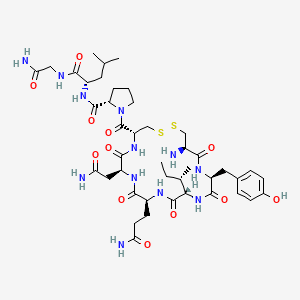
Molecular structure and research visualization
Introduction to the Social Bonding Hormone
Oxytocin is a nine-amino acid neuropeptide that has captured scientific and public imagination as the "love hormone" or "bonding molecule." First identified in 1906 and synthesized in 1953 by Vincent du Vigneaud (who received the Nobel Prize for this work), oxytocin has evolved from being understood primarily as a reproductive hormone to being recognized as a critical regulator of complex social behaviors, emotional processing, and interpersonal bonding.
Produced primarily in the paraventricular and supraoptic nuclei of the hypothalamus, oxytocin is transported to the posterior pituitary for release into the bloodstream, where it acts as a hormone with peripheral effects. Simultaneously, oxytocinergic neurons project throughout the brain, where the peptide functions as a neuromodulator influencing neural circuits involved in social cognition, emotion regulation, and stress responses. This dual peripheral-central action makes oxytocin uniquely positioned to coordinate physiological and psychological aspects of social behavior.
Molecular Structure and Receptor Biology
Oxytocin's structure consists of nine amino acids (Cys-Tyr-Ile-Gln-Asn-Cys-Pro-Leu-Gly-NH2) with a disulfide bridge between the two cysteine residues forming a six-amino acid cyclic structure. This molecular architecture is remarkably conserved across mammalian species, with only minor variations, reflecting its fundamental importance in vertebrate biology. Interestingly, oxytocin shares structural similarity with vasopressin (differing by only two amino acids), leading to some cross-reactivity at each other's receptors and overlapping functions in certain contexts.
The oxytocin receptor (OXTR) is a G-protein coupled receptor that, upon oxytocin binding, primarily activates Gq/11 proteins, triggering phospholipase C, increasing intracellular calcium, and activating protein kinase C pathways. OXTR is widely distributed throughout the brain in regions critical for social behavior, including the amygdala, nucleus accumbens, hippocampus, anterior cingulate cortex, and various hypothalamic nuclei. Peripheral expression occurs in reproductive tissues, mammary glands, heart, kidneys, and other organs, reflecting oxytocin's diverse physiological roles.
Classical Reproductive and Maternal Functions
The original discovery and clinical application of oxytocin centered on its powerful effects on uterine contractility during childbirth and milk ejection during lactation. During labor, oxytocin release increases dramatically, stimulating rhythmic uterine contractions that facilitate delivery. This effect is so pronounced that synthetic oxytocin (Pitocin) is routinely used clinically to induce or augment labor.
During breastfeeding, infant suckling stimulates sensory nerves that signal the hypothalamus to release oxytocin, which acts on myoepithelial cells surrounding mammary alveoli, causing milk ejection (the "let-down reflex"). Remarkably, research has shown that this same oxytocin release during breastfeeding also affects maternal behavior and emotional state, simultaneously coordinating the physiological and psychological aspects of maternal care.
Maternal Bonding and Parent-Infant Attachment
Beyond its mechanical reproductive functions, oxytocin plays a critical role in the formation of maternal bonds with offspring. Studies in various mammalian species have demonstrated that oxytocin surges during delivery and postpartum contact facilitate maternal behavior, including nurturing, protection, and preferential recognition of one's own offspring.
Research in humans has shown correlations between oxytocin levels and maternal behaviors such as gaze duration at infant faces, affectionate touch, "motherese" vocalizations, and emotional attunement to infant needs. Fathers also show oxytocin increases during interaction with their infants, with levels correlating with paternal engagement behaviors like exploratory play and tactile stimulation. These findings suggest that oxytocin facilitates parental bonding more broadly, not just maternal attachment.
Social Recognition and Interpersonal Bonding
Research, particularly in prairie voles (a monogamous rodent species used extensively in attachment research), has revealed oxytocin's critical role in pair bonding and partner preference formation. In these animals, oxytocin receptor activation in the nucleus accumbens during mating facilitates the formation of selective partner preferences—essentially, falling in love with a specific individual.
Blocking oxytocin receptors prevents pair bond formation, while administration of oxytocin can accelerate bonding even without mating. These findings have stimulated extensive research into oxytocin's role in human romantic attachment, friendship formation, and other social bonds. While human relationships are far more complex than vole pair bonds, evidence suggests oxytocin contributes to the neurobiology of human attachment and relationship formation.
Trust, Cooperation, and Social Cognition
Landmark research published in Nature (2005) demonstrated that intranasal oxytocin administration increased trust in economic games, with participants showing greater willingness to transfer money to strangers. This finding sparked extensive investigation into oxytocin's effects on prosocial behaviors including generosity, cooperation, empathy, and altruism.
Subsequent research has revealed a more nuanced picture: oxytocin appears to enhance in-group favoritism and cooperation while potentially increasing defensive responses toward out-group members. The peptide seems to amplify the salience of social cues and enhance social cognitive processing rather than simply promoting universal prosociality. Effects depend on context, individual differences, and cultural factors, highlighting the complexity of oxytocin's social functions.
Emotion Recognition and Empathy
Research has demonstrated that oxytocin enhances the ability to recognize emotions from facial expressions, particularly in the eye region. Studies using the "Reading the Mind in the Eyes" test show improved emotion recognition accuracy following intranasal oxytocin administration. Neuroimaging studies reveal that oxytocin modulates amygdala activity in response to emotional faces, potentially facilitating emotional processing and appropriate social responses.
The peptide's effects on empathy appear multifaceted. Some research indicates oxytocin increases empathic concern and emotional contagion—the tendency to unconsciously mirror others' emotions. Other studies suggest it enhances cognitive empathy—the ability to understand others' mental states. These effects may underlie oxytocin's broader influence on social functioning and interpersonal relationships.
Stress Reduction and Anxiolytic Effects
Oxytocin interacts extensively with stress response systems, particularly the hypothalamic-pituitary-adrenal (HPA) axis. Research demonstrates that oxytocin can attenuate cortisol responses to psychosocial stress, reduce anxiety-like behaviors in animal models, and promote calm behavioral states. These anxiolytic effects appear mediated by oxytocin's actions in the amygdala, where it modulates fear and anxiety circuitry.
The social buffering phenomenon—whereby social support reduces stress responses—appears partially mediated by oxytocin. Studies show that positive social contact increases oxytocin release, which in turn dampens stress reactivity. This creates a beneficial cycle where social connection promotes oxytocin release, which facilitates further social engagement while reducing stress—potentially explaining the well-documented health benefits of social support.
Research in Autism Spectrum Disorders
Given oxytocin's role in social cognition and behavior, researchers have investigated its potential therapeutic applications in autism spectrum disorders (ASD), which are characterized by social communication challenges. Some individuals with ASD show altered oxytocin system function, including lower oxytocin levels or genetic variations in the oxytocin receptor gene.
Clinical trials examining intranasal oxytocin in ASD have yielded mixed results. Some studies reported improvements in social cognition, emotion recognition, repetitive behaviors, and social responsiveness, while others found minimal effects. A 2021 meta-analysis concluded that while some promising signals exist, evidence remains insufficient to support routine clinical use. Ongoing research explores whether certain ASD subgroups, dosing regimens, or combination approaches might yield more consistent benefits.
Anxiety Disorders and Social Phobia Research
The anxiolytic and prosocial effects of oxytocin have prompted investigation in anxiety disorders, particularly social anxiety disorder. Research indicates that oxytocin can reduce anxiety responses to social threats, decrease avoidance behaviors, and enhance the processing of positive social cues in socially anxious individuals.
A 2017 study published in Psychoneuroendocrinology found that intranasal oxytocin reduced amygdala reactivity to fearful faces in individuals with generalized social anxiety disorder. Other research has explored oxytocin as an adjunct to exposure therapy, with the hypothesis that it might enhance the therapeutic benefits of social exposure by reducing anxiety and promoting positive social experiences. While preliminary findings are encouraging, larger controlled trials are needed to establish clinical efficacy.
Post-Traumatic Stress Disorder Research
Research has examined oxytocin's potential in post-traumatic stress disorder (PTSD), based on its stress-buffering properties and effects on fear memory. Animal studies suggest oxytocin may facilitate fear extinction—the process by which conditioned fear responses diminish when threats no longer materialize. This has led to exploration of oxytocin as an adjunct to exposure-based PTSD treatments.
Clinical studies have investigated whether oxytocin administration before or during trauma-focused therapy might enhance treatment outcomes by reducing anxiety, promoting emotional processing of traumatic memories, and strengthening the therapeutic alliance. While early-phase research shows promise, definitive evidence of clinical efficacy requires larger-scale trials with longer follow-up periods.
Couple Relationships and Attachment Research
Research has explored oxytocin's role in romantic relationships and couple dynamics. Studies show that oxytocin levels increase during positive couple interactions, physical intimacy, and sexual activity. Higher oxytocin levels correlate with relationship satisfaction, positive communication patterns, and secure attachment styles.
Experimental studies administering intranasal oxytocin to individuals in relationships have found effects including increased positive communication during conflict discussions, enhanced ability to identify partner emotions, and greater maintenance of appropriate interpersonal distance with opposite-sex strangers (in heterosexual male participants). These findings suggest oxytocin may help maintain relationship bonds by promoting behaviors that strengthen partnerships and establish appropriate social boundaries.
Intranasal Administration and Central Delivery
A critical methodological advancement enabling human oxytocin research has been intranasal administration, which allows non-invasive peptide delivery with at least partial access to the central nervous system. oxytocin administered intranasally reaches cerebrospinal fluid within 30-45 minutes, suggesting direct nose-to-brain transport via olfactory and trigeminal nerve pathways that bypass the blood-brain barrier.
However, the extent and reliability of intranasal oxytocin's central penetration remains debated. Recent research suggests substantial individual variability in nasal-to-brain transport, influenced by anatomical factors, administration technique, and formulation characteristics. Additionally, some behavioral effects may result from peripheral oxytocin actions that indirectly influence brain function through vagal afferents or other pathways. These uncertainties highlight the need for continued research into optimal delivery methods and mechanisms of action.
Sex Differences and Hormonal Interactions
Research reveals important sex differences in oxytocin system function and behavioral effects. In animal models, estrogen appears to enhance oxytocin receptor expression in certain brain regions, potentially explaining heightened social motivation and maternal behavior in females. Conversely, testosterone may modulate oxytocin effects in males, with research suggesting interactions between these hormonal systems in regulating social and aggressive behaviors.
In humans, some studies report sex-specific effects of intranasal oxytocin, though findings are inconsistent. For example, oxytocin effects on trust and cooperation appear more pronounced in some male samples, while effects on empathy and social cognition show less consistent sex differences. Hormonal context (menstrual cycle phase, hormonal contraceptive use) may influence oxytocin effects in women, adding complexity to research interpretation.
Individual Differences and Genetic Variations
Research has identified genetic variations in the oxytocin receptor gene (OXTR) that correlate with social behaviors, attachment styles, and susceptibility to social stress. Specific single nucleotide polymorphisms (SNPs) in OXTR have been associated with differences in empathy, social support seeking, relationship quality, and even risk for disorders with social components like autism and depression.
These genetic differences may moderate responses to intranasal oxytocin, with some research suggesting individuals with certain OXTR genotypes show enhanced responsiveness to exogenous oxytocin. Understanding these individual differences could eventually enable personalized approaches to oxytocin-based interventions, identifying individuals most likely to benefit from treatment.
Safety Profile and Side Effects
Extensive research with intranasal oxytocin has generally reported favorable safety profiles. Most studies document minimal adverse effects beyond occasional nasal irritation, headache, or dizziness. Unlike many psychiatric medications, oxytocin does not appear to cause significant cardiovascular effects, sedation, or cognitive impairment at typical research doses (usually 24-40 IU intranasally).
However, the long-term safety of repeated oxytocin administration requires further study. Theoretical concerns include potential receptor desensitization with chronic use, hormonal interactions, and context-dependent effects that might not always be beneficial. The oxytocin system evolved to respond to specific social and reproductive stimuli; the consequences of artificially manipulating this system over extended periods remain incompletely understood.
Current Limitations and Future Directions
Despite extensive research, significant questions about oxytocin remain unanswered. The field faces challenges including inconsistent replication of behavioral effects, uncertainty about intranasal delivery mechanisms, limited understanding of optimal dosing and timing, and the complexity of translating animal model findings to human social behavior.
Future research directions include development of more selective oxytocin receptor agonists and antagonists, improved delivery methods ensuring reliable central nervous system access, investigation of combination approaches (e.g., oxytocin plus behavioral therapy), and identification of biomarkers predicting treatment response. Advanced techniques like receptor imaging, circuit-specific manipulations, and computational modeling promise deeper understanding of oxytocin's complex functions.
Conclusion
Oxytocin represents one of the most fascinating molecules in behavioral neuroscience, bridging peripheral physiology and central psychological processes in ways that few other compounds do. From its classical roles in childbirth and lactation to its newly discovered functions in social bonding, trust, empathy, and stress regulation, oxytocin exemplifies how evolution has crafted molecular systems that coordinate the physiological and psychological demands of mammalian social life.
While initial excitement about oxytocin as a simple "prosocial" molecule has given way to appreciation of its nuanced, context-dependent effects, the peptide remains a promising focus for both basic research into social neurobiology and translational applications in conditions characterized by social dysfunction. As research methodologies improve and our understanding deepens, oxytocin will likely continue to reveal insights into the neurobiological foundations of human social behavior and connection.
References
- 1. Kosfeld, M., et al. (2005). Oxytocin increases trust in humans. Nature, 435(7042), 673-676.
- 2. Guastella, A.J., et al. (2010). Intranasal oxytocin improves emotion recognition for youth with autism spectrum disorders. Biological Psychiatry, 67(7), 692-694.
- 3. Ditzen, B., et al. (2009). Intranasal oxytocin increases positive communication and reduces cortisol levels during couple conflict. Biological Psychiatry, 65(9), 728-731.
- 4. Striepens, N., et al. (2011). Oxytocin facilitates protective responses to aversive social stimuli in males. PNAS, 108(44), 18144-18149.
All research information is for educational purposes only. The statements made within this website have not been evaluated by the US Food and Drug Administration. The statements and the products of this company are not intended to diagnose, treat, cure or prevent any disease.