PT-141 (Bremelanotide): Sexual Health Research
Exploring PT-141's unique melanocortin receptor activity in sexual function research.
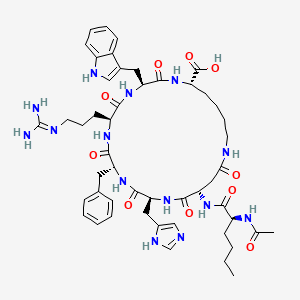
Molecular structure and research visualization
Introduction to PT-141
PT-141, also known as Bremelanotide, is a synthetic peptide analog of alpha-melanocyte stimulating hormone (α-MSH) that has been extensively researched for its effects on sexual function. Unlike traditional approaches targeting vascular mechanisms, PT-141 works through melanocortin receptors in the central nervous system, offering a novel mechanism for addressing sexual dysfunction.
Mechanism of Action
PT-141 exerts its effects primarily through activation of melanocortin receptors, particularly MC3R and MC4R, which are expressed in brain regions involved in sexual arousal and desire. Research has demonstrated that PT-141 activates neural pathways associated with sexual motivation and arousal, operating through central mechanisms rather than direct peripheral vascular effects.
Research in Female Sexual Dysfunction
Extensive clinical research has examined PT-141's effects in women with hypoactive sexual desire disorder (HSDD). Pivotal clinical trials demonstrated that PT-141 administration resulted in significant improvements in sexual desire and satisfying sexual events compared to placebo. Based on this research, the compound received FDA approval for premenopausal women with acquired, generalized HSDD.
Research in Male Sexual Function
While most clinical development focused on female sexual dysfunction, research has also explored PT-141's effects in men with erectile dysfunction. Studies have shown that PT-141 can improve erectile function through central nervous system activation, offering a complementary approach to peripheral vasodilators.
Pharmacokinetics and Administration
Research has characterized PT-141's pharmacokinetic profile following subcutaneous administration. The peptide demonstrates rapid absorption, with peak plasma concentrations occurring within approximately 1 hour. Clinical studies have utilized on-demand dosing, with administration occurring prior to anticipated sexual activity.
Safety and Tolerability
Clinical trials have characterized the safety profile of PT-141. The most commonly reported adverse effects include nausea, flushing, and headache. Most adverse events have been mild to moderate in severity and transient in nature. Research has also monitored cardiovascular parameters, with studies showing transient increases in blood pressure in some participants.
Melanocortin System Research
PT-141's mechanism has contributed to broader understanding of the melanocortin system's role in sexual function. Research utilizing PT-141 has helped elucidate neural pathways involved in sexual desire, arousal, and motivation, advancing scientific knowledge of these complex processes.
All research information is for educational purposes only. The statements made within this website have not been evaluated by the US Food and Drug Administration. The statements and the products of this company are not intended to diagnose, treat, cure or prevent any disease.