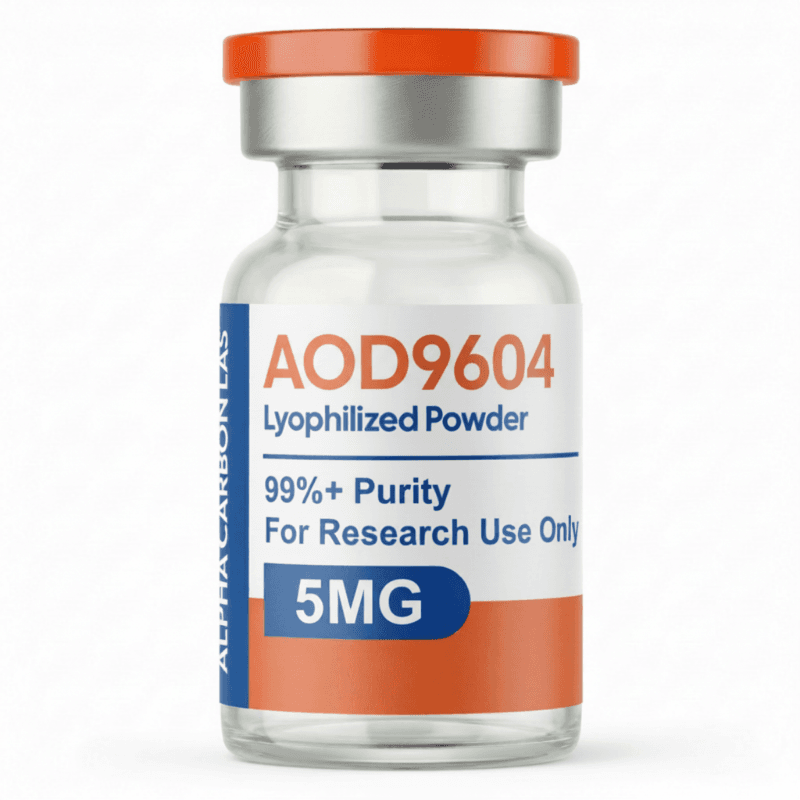
5MG
This product is for research purposes only. Not for human consumption.
Purity: >98% (HPLC verified)
Formulation: Lyophilized powder
Molecular Formula: C78H123N23O23S2
Molecular Weight: 1815.1 g/mol
CAS Number: 221231-10-3
PubChem CID: 71300630
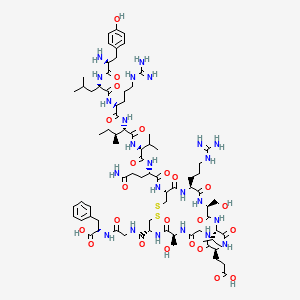
AOD9604
Overview
AOD9604, also known as the lipolytic fragment of hGH or the fat-reducing peptide, is a synthetic peptide consisting of amino acids 176-191 from the C-terminal region of human growth hormone (hGH). This specific sequence was identified through systematic research aimed at isolating the lipolytic (fat-breaking) properties of growth hormone while eliminating the growth-promoting, diabetogenic, and other potentially problematic effects associated with full-length hGH therapy.
Development and Selectivity
The development of AOD9604 was based on the observation that the C-terminal region of growth hormone possesses independent metabolic regulatory functions distinct from the growth-promoting effects mediated by the N-terminal receptor-binding domain.
Unlike full-length growth hormone, which binds to growth hormone receptors and triggers IGF-1 production with associated anabolic effects, AOD9604 does not bind to the growth hormone receptor and does not stimulate IGF-1 production or promote cell proliferation. Instead, it specifically targets adipose tissue metabolism through alternative pathways.
Research Applications
This selective activity makes AOD9604 an attractive candidate for obesity treatment and body composition optimization research, as it theoretically provides the metabolic benefits of growth hormone for fat reduction without the growth-promoting effects that could stimulate cancer cell proliferation, cause acromegaly-like symptoms, or induce insulin resistance.
The peptide has been extensively studied in both preclinical models and human clinical trials, demonstrating consistent fat-reducing effects with a favorable safety profile. AOD9604 represents part of a broader scientific effort to develop targeted therapies that can isolate beneficial effects of growth hormone while avoiding unwanted systemic effects, similar to the development of selective androgen receptor modulators (SARMs) or selective estrogen receptor modulators (SERMs) in other therapeutic areas.
Mechanism of Action
AOD9604 exerts its metabolic effects through mechanisms that remain incompletely characterized but appear to involve direct stimulation of lipolysis and inhibition of lipogenesis in adipose tissue through pathways independent of the classical growth hormone receptor.
Lipolysis Stimulation
The peptide has been shown to stimulate lipolysis - the breakdown of triglycerides stored in adipocytes into free fatty acids and glycerol that can be released into circulation for use as energy by other tissues. This lipolytic effect appears to be mediated through activation of β3-adrenergic receptors on adipocytes, which are G-protein coupled receptors that, when activated, stimulate adenylyl cyclase to increase intracellular cAMP levels.
Elevated cAMP activates protein kinase A (PKA), which phosphorylates and activates hormone-sensitive lipase (HSL) and other lipases responsible for hydrolyzing triglycerides. The β3-adrenergic receptor is particularly abundant in adipose tissue and is a key regulator of lipolysis and thermogenesis, making it an ideal target for fat-reducing interventions.
Lipogenesis Inhibition
In addition to stimulating fat breakdown, AOD9604 inhibits lipogenesis - the synthesis of new fatty acids and triglycerides from glucose and other precursors. By simultaneously increasing the rate of fat breakdown while decreasing the rate of new fat formation, AOD9604 creates a net catabolic effect on adipose tissue stores.
Tissue Specificity and Metabolic Effects
Importantly, these metabolic effects appear to be tissue-specific to adipose tissue, as studies have not shown similar effects on muscle protein metabolism or bone growth. The peptide does not appear to significantly affect glucose metabolism or insulin sensitivity in the way that full-length growth hormone does - growth hormone causes insulin resistance through various mechanisms, whereas AOD9604 has been reported to be neutral or possibly even beneficial for insulin sensitivity.
The peptide also does not stimulate IGF-1 production, avoiding the growth-promoting and potentially mitogenic effects associated with IGF-1 elevation. Additionally, AOD9604 may have effects on fatty acid oxidation in peripheral tissues, enhancing the utilization of released free fatty acids for energy production rather than allowing them to be re-esterified and stored.
Some research suggests the peptide may enhance mitochondrial fatty acid oxidation through AMPK activation or other metabolic signaling pathways, though this mechanism requires further validation. The net result of AOD9604 action is preferential reduction of adipose tissue mass, particularly visceral and subcutaneous fat depots, without the hyperglycemic, insulin-desensitizing, or growth-promoting effects of full-length growth hormone.
Research Findings
The research history of AOD9604 spans multiple phases of preclinical and clinical development, with generally positive findings regarding efficacy for body fat reduction and favorable safety compared to growth hormone, though ultimate regulatory approval has remained elusive.
Preclinical Studies
Early preclinical studies in rodent obesity models demonstrated that AOD9604 administration reduced body weight and fat mass without affecting food intake, indicating a direct metabolic effect rather than an appetite-suppressing mechanism. Obese mice and rats treated with AOD9604 showed significant decreases in adipose tissue depot weights, reductions in adipocyte size observed histologically, and improvements in body composition measured by DEXA scanning or MRI.
These fat-reducing effects occurred without changes in lean body mass, bone mineral density, or longitudinal bone growth, confirming that the peptide lacked the growth-promoting properties of intact growth hormone. Metabolic studies showed that AOD9604-treated animals had increased lipolytic rates measured in isolated adipocytes, elevated circulating free fatty acid levels, and enhanced fatty acid oxidation rates.
Importantly, glucose metabolism and insulin sensitivity were either unchanged or slightly improved, contrasting with the diabetogenic effects of growth hormone.
Phase II Clinical Trials
These promising preclinical findings led to Phase I and Phase II clinical trials in humans. A Phase IIa trial published by Heffernan et al. evaluated AOD9604 in overweight and obese subjects, comparing various doses administered subcutaneously over 12 weeks.
Results showed statistically significant reductions in body weight and body fat percentage in the AOD9604 treatment groups compared to placebo, with the highest dose producing average fat mass reductions of approximately 2.6 kg greater than placebo. Weight loss was primarily from fat mass rather than lean mass, and the treatment was generally well-tolerated with no significant adverse effects on glucose metabolism, insulin levels, or IGF-1 levels.
Phase IIb Results and Regulatory Status
A larger Phase IIb trial involving over 500 overweight and obese subjects was conducted to further evaluate efficacy and safety. While this trial showed trends toward fat loss in the treatment groups, the primary endpoint of statistically significant weight reduction compared to placebo was not consistently achieved across all dose groups, and effect sizes were more modest than hoped.
Various factors may have contributed to these mixed results, including participant heterogeneity, compliance issues, and the aggressive placebo response often seen in obesity trials where lifestyle modification is encouraged. Despite demonstrating biological activity and a favorable safety profile, AOD9604 has not achieved regulatory approval as an obesity therapeutic.
Current Status and Future Directions
Some commercial entities have marketed AOD9604 as a research compound or nutraceutical ingredient, though such uses exist in regulatory gray areas. More recent research has explored AOD9604 for other potential applications beyond obesity, including osteoarthritis treatment based on observations of cartilage regeneration properties in preclinical models, though clinical validation of these additional indications is limited.
The compound remains available through research chemical suppliers and peptide vendors for research purposes. While AOD9604 has not achieved the commercial success initially envisioned, it has contributed valuable insights into the dissociable functions of different regions of the growth hormone molecule and has validated the concept that targeted metabolic effects can be achieved without unwanted growth hormone receptor activation. The research continues to inform the development of next-generation selective GH analogs and metabolic modulators.
Research Applications
- Obesity and weight management research
- Fat metabolism and lipolysis studies
- Body composition research
- Metabolic disorder studies
- Diabetes and insulin resistance research
- Cardiovascular risk factor studies
Safety Profile
AOD9604 has shown good safety and tolerability in clinical trials. As a fragment of growth hormone that specifically targets fat metabolism, it appears to avoid many of the side effects associated with full growth hormone therapy, such as joint pain, fluid retention, and effects on glucose metabolism.
Scientific References
Research Use Only
This product is intended for research purposes only and is not for human consumption, therapeutic use, or diagnostic applications. Please ensure compliance with all applicable regulations and institutional guidelines.