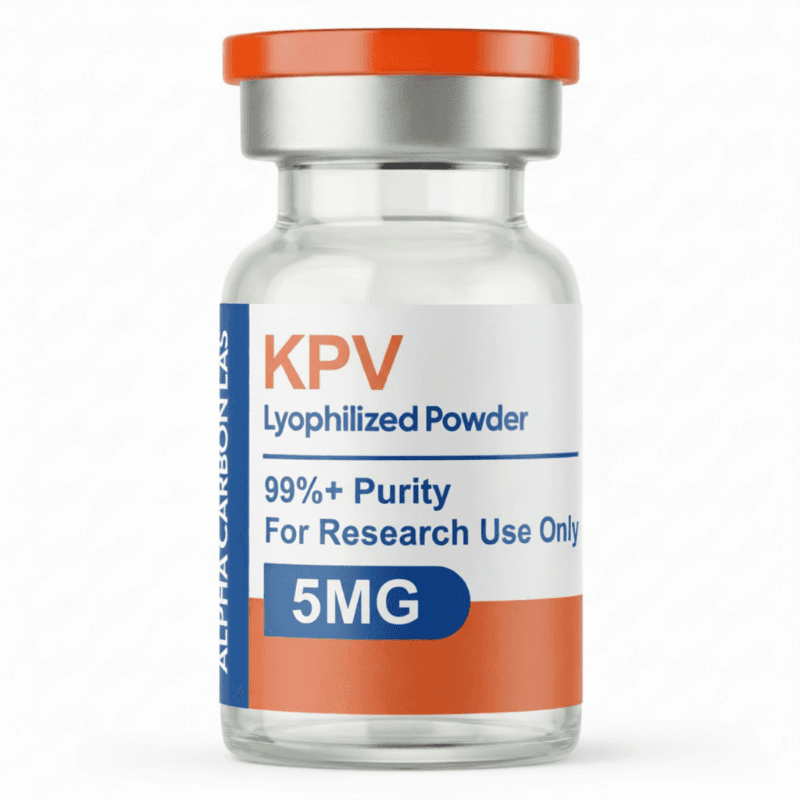
5MG
This product is for research purposes only. Not for human consumption.
Purity: >98% (HPLC verified)
Formulation: Lyophilized powder
Molecular Formula: C18H34N4O4
Molecular Weight: 370.49 g/mol
CAS Number: N/A
PubChem CID: N/A
KPV
Overview
KPV is a tripeptide consisting of the amino acids lysine-proline-valine (Lys-Pro-Val). It is a C-terminal fragment of alpha-melanocyte stimulating hormone (α-MSH), an endogenous peptide with potent anti-inflammatory properties. While α-MSH itself has therapeutic potential, KPV represents a shorter, more stable sequence that retains significant anti-inflammatory activity without some of the broader melanocortin system effects.
KPV has gained research interest for its ability to reduce inflammation through multiple mechanisms, including NF-κB pathway inhibition and modulation of inflammatory mediators. Its relatively small size and stability make it a promising candidate for various inflammatory conditions, particularly those affecting mucosal surfaces.
Mechanism of Action
KPV exerts anti-inflammatory effects primarily through inhibition of the NF-κB signaling pathway, a master regulator of inflammatory gene expression. The peptide enters cells and interferes with NF-κB activation and translocation to the nucleus, reducing transcription of pro-inflammatory cytokines including TNF-α, IL-6, IL-1β, and other inflammatory mediators.
Additionally, KPV modulates immune cell function, reducing activation of macrophages and other immune cells, and can directly scavenge reactive oxygen species, providing antioxidant protection. The peptide maintains anti-inflammatory activity when administered orally, making it particularly suitable for gastrointestinal inflammatory conditions.
Research Findings
Research on KPV has focused primarily on its anti-inflammatory properties in various disease models. In vitro studies have demonstrated that KPV reduces inflammatory cytokine production in stimulated immune cells, with effects on NF-κB signaling confirmed through molecular studies. The peptide shows dose-dependent anti-inflammatory activity in cellular models of inflammation.
Inflammatory Bowel Disease Research
Animal studies in inflammatory bowel disease (IBD) models have shown that oral KPV reduces colonic inflammation, improves disease activity indices, and decreases inflammatory cytokine levels in intestinal tissue. Research suggests particular promise for oral delivery in treating intestinal inflammation.
Other Applications
Wound healing studies have found that topical KPV can reduce inflammation in wound beds and potentially accelerate healing. Research into skin inflammation has explored KPV for conditions like dermatitis and other inflammatory skin disorders. Studies examining systemic inflammation have investigated whether KPV can modulate broader inflammatory responses beyond local applications.
Research Applications
- Inflammatory bowel disease research
- Anti-inflammatory mechanism studies
- NF-κB pathway modulation research
- Mucosal inflammation studies
- Wound healing and dermatology research
- Oral peptide delivery research
- Immune modulation studies
Safety Profile
As a tripeptide fragment of an endogenous peptide (α-MSH), KPV appears to have a favorable safety profile. Preclinical studies have shown good tolerability with minimal adverse effects. The peptide lacks the broader melanocortin receptor effects of full-length α-MSH or melanotan peptides, potentially reducing side effect concerns. However, comprehensive human safety data is limited, as KPV has primarily been studied in preclinical models. Oral administration appears well-tolerated in animal studies. The peptide's short sequence and endogenous nature suggest low immunogenicity risk, though this requires confirmation in human studies.
Scientific References
Research Use Only
This product is intended for research purposes only and is not for human consumption, therapeutic use, or diagnostic applications. Please ensure compliance with all applicable regulations and institutional guidelines.