AICAR: AMPK Activation and the Exercise Mimetic Paradigm in Metabolic Research
A comprehensive exploration of AICAR's role as an AMP-activated protein kinase activator, examining its exercise-mimicking effects, metabolic regulation, and research applications in endurance, diabetes, and cellular energy sensing.
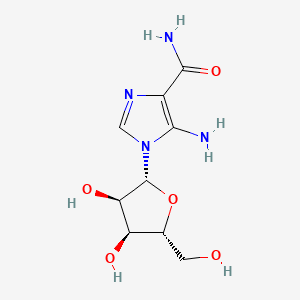
Molecular structure and research visualization
Introduction to Cellular Energy Sensing
AICAR (5-Aminoimidazole-4-carboxamide ribonucleotide), also known as Acadesine or ZMP, represents a fascinating research tool that has captured scientific attention as a potential "exercise mimetic"—a compound capable of inducing some of the beneficial adaptations of physical exercise without actual muscle contraction. At its core, AICAR functions as an activator of AMP-activated protein kinase (AMPK), a central metabolic sensor that coordinates cellular responses to energy stress.
AMPK functions as a cellular fuel gauge, activated when cellular energy status is low (high AMP:ATP ratio). Once activated, AMPK orchestrates metabolic reprogramming to restore energy balance: it stimulates catabolic pathways that generate ATP (glucose uptake, fatty acid oxidation, mitochondrial biogenesis) while simultaneously inhibiting anabolic processes that consume ATP (fatty acid synthesis, protein synthesis, cell growth). This makes AMPK—and by extension, AICAR—a critical regulator of metabolic homeostasis.
Molecular Mechanism: AICAR as an AMP Mimetic
AICAR is a nucleoside analog that, upon entering cells, is phosphorylated by adenosine kinase to form ZMP (AICAR monophosphate). ZMP structurally mimics AMP, the molecule that naturally signals low cellular energy. By accumulating in cells and mimicking AMP, ZMP activates AMPK even when cellular energy status is actually adequate, effectively "tricking" cells into responding as if they were energy-depleted.
AMPK is a heterotrimeric enzyme complex consisting of a catalytic α-subunit and regulatory β- and γ-subunits. ZMP binds to the γ-subunit, the same site where AMP binds, causing conformational changes that protect AMPK from dephosphorylation and enhance its phosphorylation by upstream kinases (primarily LKB1). This results in robust AMPK activation that persists as long as AICAR/ZMP levels remain elevated.
The Exercise Mimetic Phenomenon
The designation of AICAR as an "exercise mimetic" stems from landmark research published in Cell (2008) by Narkar and colleagues. This study demonstrated that AICAR administration to sedentary mice induced metabolic and gene expression changes remarkably similar to those produced by endurance exercise training, including increased mitochondrial biogenesis in skeletal muscle, enhanced oxidative enzyme expression, improved endurance capacity, and favorable metabolic adaptations.
Most strikingly, when combined with exercise training, AICAR produced synergistic effects, dramatically enhancing endurance capacity beyond either intervention alone. Treated mice showed running endurance increases of approximately 44% even without training, and up to 68% when combined with exercise. These findings sparked widespread interest in AICAR as both a research tool for understanding exercise adaptations and a potential therapeutic for conditions where exercise capacity is limited.
Mitochondrial Biogenesis and Oxidative Capacity
A primary mechanism underlying AICAR's exercise-mimetic effects is its stimulation of mitochondrial biogenesis—the creation of new mitochondria and expansion of mitochondrial networks within cells. AMPK activation by AICAR increases the activity and expression of PGC-1α (peroxisome proliferator-activated receptor gamma coactivator 1-alpha), the master regulator of mitochondrial biogenesis.
PGC-1α coordinates the expression of nuclear-encoded mitochondrial proteins and activates mitochondrial DNA transcription, leading to increased mitochondrial density and improved oxidative capacity. Research demonstrates that AICAR treatment increases mitochondrial enzyme activity (citrate synthase, cytochrome c oxidase), enhances oxidative phosphorylation capacity, improves mitochondrial respiratory function, and increases expression of oxidative muscle fiber markers. These adaptations shift muscle metabolism toward greater reliance on fat oxidation, similar to endurance training.
Glucose Metabolism and Insulin Sensitivity
AMPK plays crucial roles in glucose homeostasis, and AICAR-mediated AMPK activation produces significant effects on glucose metabolism. In skeletal muscle, AMPK activation stimulates glucose uptake independent of insulin by promoting translocation of GLUT4 glucose transporters to the cell surface. This insulin-independent pathway represents a potential therapeutic mechanism for improving glucose control in insulin-resistant states.
Research has demonstrated that AICAR administration improves glucose tolerance in various animal models, enhances insulin sensitivity in muscle and liver, increases muscle glucose uptake and glycogen synthesis, and reduces hepatic glucose production. These effects occur through multiple mechanisms including enhanced GLUT4 translocation, improved insulin signaling, and metabolic reprogramming toward glucose oxidation. Studies in diabetic animal models show that AICAR can normalize blood glucose levels and improve metabolic parameters.
Lipid Metabolism and Fatty Acid Oxidation
AMPK activation by AICAR profoundly influences lipid metabolism, promoting fatty acid oxidation while inhibiting lipid synthesis. In muscle, AMPK phosphorylates and inhibits acetyl-CoA carboxylase (ACC), the rate-limiting enzyme in fatty acid synthesis. ACC inhibition reduces malonyl-CoA levels, which relieves inhibition of carnitine palmitoyltransferase-1 (CPT1), the enzyme controlling fatty acid entry into mitochondria for oxidation.
This metabolic reprogramming shifts cells toward fat burning and away from fat storage. Research shows that AICAR treatment increases fatty acid oxidation in muscle and liver, reduces triglyceride accumulation in tissues, improves lipid profiles in metabolic syndrome models, and enhances metabolic flexibility between fuel sources. In obesity models, AICAR can reduce body fat accumulation and improve metabolic health markers, though effects on body weight vary depending on study conditions.
Cardiovascular Research Applications
Beyond metabolic effects, AICAR has been extensively studied in cardiovascular research. AMPK activation provides cardioprotection in various contexts, and AICAR has demonstrated beneficial effects in models of myocardial ischemia and reperfusion injury. Pre-treatment with AICAR before ischemic events (pharmacological preconditioning) has been shown to reduce infarct size following coronary occlusion, preserve cardiac function after ischemia-reperfusion, reduce arrhythmias during reperfusion, and decrease cardiomyocyte apoptosis.
These cardioprotective effects appear mediated by multiple mechanisms including enhanced glucose uptake providing energy substrate, reduced oxidative stress and inflammation, preservation of mitochondrial function, and activation of survival signaling pathways. Clinical investigations have explored AICAR (as Acadesine) in cardiac surgery settings, with some studies suggesting reduced perioperative complications, though results have been mixed and further research is needed.
Anti-Inflammatory Properties
Research has revealed that AMPK activation by AICAR exerts anti-inflammatory effects across various cell types and disease models. AMPK can suppress inflammatory signaling through multiple mechanisms including inhibition of NF-κB, a master inflammatory transcription factor, modulation of inflammasome activity, reduction of pro-inflammatory cytokine production, and enhancement of anti-inflammatory pathways.
Studies demonstrate that AICAR treatment can reduce inflammation in models of atherosclerosis, inflammatory bowel disease, arthritis, and neuroinflammation. These anti-inflammatory effects may contribute to AICAR's beneficial effects in metabolic disorders, as chronic low-grade inflammation plays a central role in insulin resistance, type 2 diabetes, and cardiovascular disease.
Cancer Metabolism Research
The relationship between AMPK and cancer is complex and context-dependent. Cancer cells exhibit altered metabolism (the Warburg effect), and AMPK's role in regulating cell growth, proliferation, and metabolism has made it a target of interest in cancer research. AICAR-mediated AMPK activation has shown anti-proliferative effects in various cancer cell lines through mechanisms including cell cycle arrest via p53 and p21 activation, inhibition of mTOR signaling and protein synthesis, induction of autophagy, and metabolic stress in cancer cells.
However, AMPK's role in cancer is nuanced—in some contexts it may act as a tumor suppressor (preventing transformation, limiting growth), while in established tumors it might promote survival under metabolic stress. Research continues to elucidate when and how AICAR and AMPK activation might be therapeutically beneficial in oncology, with interest in combination approaches alongside conventional treatments.
Neurological Research and Neuroprotection
The brain's high energy demands make neuronal function particularly sensitive to metabolic stress, and AMPK plays important roles in neuronal energy homeostasis. Research has explored AICAR's neuroprotective potential in various contexts including stroke and ischemic brain injury, neurodegenerative diseases, traumatic brain injury, and metabolic dysfunction affecting the brain.
Studies demonstrate that AICAR can protect neurons against excitotoxic damage, reduce oxidative stress in brain tissue, preserve mitochondrial function in neurons, and modulate autophagy to clear damaged proteins. In Alzheimer's disease models, AMPK activation has shown promise in reducing tau phosphorylation and amyloid-beta accumulation, though the therapeutic window and optimal intervention timing remain areas of active investigation.
Aging Research and Longevity Pathways
AMPK activation has been implicated in longevity pathways across multiple species, with genetic or pharmacological AMPK enhancement extending lifespan in organisms from yeast to mammals. AICAR research in aging contexts has examined whether AMPK activation can promote healthy aging and extend healthspan—the period of life spent in good health.
Mechanisms by which AMPK activation might promote longevity include mitochondrial quality control and biogenesis, activation of autophagy for cellular cleaning, stress resistance enhancement, and metabolic optimization. While AICAR treatment has improved various aging-related parameters in animal models, definitive evidence for lifespan extension in mammals remains limited. The compound likely promotes healthspan through metabolic optimization even if maximum lifespan effects are modest.
Athletic Performance and Doping Concerns
AICAR's endurance-enhancing effects led to its prohibition by the World Anti-Doping Agency (WADA) in 2011, despite limited evidence of actual use by athletes. The compound's classification as a performance-enhancing substance reflects concerns about its potential to improve endurance capacity, enhance recovery, and alter muscle metabolism in ways that could provide competitive advantages.
Detection methods have been developed to identify AICAR or its metabolites in biological samples, though the practical extent of illicit use remains unclear. From a research perspective, AICAR continues to provide valuable insights into mechanisms of exercise adaptation and the potential for pharmacological enhancement of physical performance.
Comparative Analysis with Other AMPK Activators
AICAR is not the only AMPK activator available for research. Metformin, the widely prescribed diabetes medication, activates AMPK through different mechanisms (inhibiting complex I of the electron transport chain, altering cellular energy status). Other compounds including A-769662 (direct AMPK activator), salicylate and its derivatives, and various natural products (berberine, resveratrol) can activate AMPK through diverse mechanisms.
Each activator has distinct properties regarding specificity (AICAR affects other nucleotide-dependent processes beyond AMPK), potency and dose requirements, tissue distribution and bioavailability, and duration of effect. AICAR remains valuable for research due to its robust AMPK activation and well-characterized effects, though understanding its AMPK-independent actions is important for proper result interpretation.
Pharmacokinetics and Administration
Research studies have employed various AICAR administration routes and dosing regimens. In rodent studies, intraperitoneal injection is common, with doses typically ranging from 250-500 mg/kg. Following administration, AICAR is taken up by cells and phosphorylated to ZMP, which accumulates and activates AMPK for several hours.
Human studies have used intravenous infusion, with doses in the range of 0.05-0.2 mg/kg/min. Oral bioavailability is limited, though some studies have explored oral formulations. The duration of AMPK activation depends on ZMP accumulation and clearance, typically persisting for hours after administration. Repeated dosing regimens are used in chronic studies examining long-term metabolic adaptations.
Safety Profile and Adverse Effects
Clinical research with AICAR (Acadesine) in cardiac surgery and other contexts has generally reported acceptable safety profiles at therapeutic doses. Common reported effects include transient increases in uric acid (due to purine metabolism), occasional mild gastrointestinal symptoms, and infusion-related effects with rapid IV administration.
Theoretical concerns with chronic AMPK activation include potential effects on cell growth and proliferation, impacts on immune function, and unknown consequences of sustained metabolic reprogramming. Animal studies at very high doses have occasionally reported adverse effects, though typical research doses appear well-tolerated. Long-term safety in humans for indications beyond acute cardiac settings requires further investigation.
Current Limitations and Future Directions
Despite extensive research, AICAR and AMPK activation face challenges including distinguishing AMPK-dependent from AMPK-independent effects, optimizing dosing for specific applications, developing more selective AMPK activators, and translating preclinical findings to clinical applications. Research continues to explore tissue-specific AMPK isoform targeting, combination approaches with exercise or other interventions, and identification of patient populations most likely to benefit.
Advanced techniques including AMPK isoform-specific genetic models, real-time AMPK activity biosensors, and multi-omics approaches are providing deeper insights into AMPK biology and AICAR's effects. These tools will help optimize therapeutic strategies and identify novel applications for AMPK modulation.
Conclusion
AICAR represents a powerful research tool for investigating cellular energy sensing, metabolic regulation, and the molecular mechanisms underlying exercise adaptations. Its ability to activate AMPK and mimic aspects of exercise has provided invaluable insights into metabolic physiology while revealing potential therapeutic applications in diabetes, cardiovascular disease, and other metabolic disorders.
While challenges remain in translating preclinical findings to clinical practice, AICAR continues to inform our understanding of how cells sense and respond to energy stress. For researchers investigating metabolism, exercise physiology, or interventions targeting metabolic disease, AICAR offers a well-characterized tool with diverse applications. As the exercise mimetic paradigm evolves, compounds like AICAR may eventually contribute to therapies for individuals unable to exercise, though this goal remains aspirational pending rigorous clinical validation.
References
- 1. Narkar, V.A., et al. (2008). AMPK and PPARδ agonists are exercise mimetics. Cell, 134(3), 405-415.
- 2. Merrill, G.F., et al. (1997). AICA riboside increases AMP-activated protein kinase and glycogen in rat muscle. American Journal of Physiology, 273(6), E1107-E1112.
- 3. Corton, J.M., et al. (1995). 5-Aminoimidazole-4-carboxamide ribonucleoside: A specific method for activating AMP-activated protein kinase. European Journal of Biochemistry, 229(2), 558-565.
- 4. Steinberg, G.R., et al. (2009). AMPK in health and disease. Physiological Reviews, 89(3), 1025-1078.
All research information is for educational purposes only. The statements made within this website have not been evaluated by the US Food and Drug Administration. The statements and the products of this company are not intended to diagnose, treat, cure or prevent any disease.