BPC-157: The Body Protection Compound Revolutionizing Tissue Repair Research
An in-depth exploration of BPC-157's regenerative mechanisms, examining its gastroprotective origins, tissue healing capabilities, and emerging research in musculoskeletal recovery.
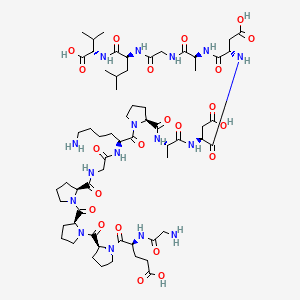
Molecular structure and research visualization
BPC-157, scientifically designated as Body Protection Compound-157, represents a significant advancement in peptide research focused on tissue regeneration and cytoprotection. This pentadecapeptide sequence, composed of 15 amino acids, is a partial sequence derived from body protection compound (BPC) that is found in human gastric juice. Since its discovery, BPC-157 has garnered substantial attention within the research community for its remarkable stability and multi-system protective effects.
Molecular Structure and Gastric Origins
BPC-157 is a synthetic peptide with the amino acid sequence Gly-Glu-Pro-Pro-Pro-Gly-Lys-Pro-Ala-Asp-Asp-Ala-Gly-Leu-Val. Unlike many peptides that degrade rapidly in the gastrointestinal environment, this compound demonstrates exceptional stability in gastric juice, remaining active without requiring a carrier molecule. This unique characteristic stems from its derivation from a protective protein naturally present in the stomach, specifically designed to withstand harsh acidic conditions.
The peptide's gastroprotective properties were among the first effects documented in early research. Studies have demonstrated that BPC-157 can accelerate the healing of various gastric lesions, including those induced by alcohol, NSAIDs, and stress. This foundational understanding of its cytoprotective mechanisms has paved the way for investigating its broader applications in tissue repair throughout the body.
Mechanisms of Tissue Regeneration
Research into BPC-157's regenerative properties has revealed multiple mechanisms through which the peptide may facilitate healing. One primary pathway involves the promotion of angiogenesis—the formation of new blood vessels from existing vasculature. Adequate blood supply is essential for delivering oxygen, nutrients, and growth factors to injured tissues, making angiogenesis a critical component of the healing process.
Studies have shown that BPC-157 influences the expression of vascular endothelial growth factor (VEGF), a key regulator of angiogenesis. By modulating VEGF pathways, the peptide may enhance vascularization in wounded areas, potentially accelerating recovery timelines. This effect has been observed across various tissue types, including skin, muscle, tendon, and ligament structures.
Additionally, BPC-157 appears to interact with the nitric oxide (NO) system, which plays crucial roles in vascular function, inflammation modulation, and tissue repair. Research indicates that the peptide may influence NO synthesis and activity, contributing to improved blood flow and reduced oxidative stress in damaged tissues. The relationship between BPC-157 and the NO system remains an active area of investigation, with ongoing studies exploring the nuances of this interaction.
Musculoskeletal Research Applications
One of the most extensively studied applications of BPC-157 involves musculoskeletal injuries. Animal model research has demonstrated promising results in the healing of muscle tears, tendon injuries, and ligament damage. In experimental studies involving Achilles tendon injuries, subjects treated with BPC-157 showed enhanced healing compared to control groups, with improved tissue organization and increased tensile strength during recovery.
The peptide's effects on tendon-to-bone healing have also garnered research interest. Tendon-bone junctions represent particularly challenging healing environments due to the distinct mechanical properties and cellular compositions of these tissues. Studies suggest that BPC-157 may facilitate the integration of tendon and bone during the healing process, potentially through enhanced collagen synthesis and improved cellular migration to the injury site.
Research into muscle healing has similarly yielded encouraging findings. In models of muscle contusion and laceration, BPC-157 administration has been associated with reduced inflammation, decreased oxidative damage, and accelerated restoration of muscle architecture. These effects may stem from the peptide's influence on growth factor expression, including fibroblast growth factor (FGF) and other mediators of muscle regeneration.
Neuroprotective and CNS Research
Beyond its musculoskeletal applications, emerging research has explored BPC-157's potential neuroprotective properties. Studies have investigated the peptide's effects in models of traumatic brain injury, nerve damage, and various neurological conditions. In experimental nerve crush injuries, BPC-157 treatment has been associated with improved nerve regeneration and functional recovery, possibly through enhancement of neurotrophic factor expression and axonal regrowth.
The peptide's interactions with dopaminergic and serotonergic systems have also been examined. Research suggests that BPC-157 may influence neurotransmitter pathways, with potential implications for conditions involving dopamine dysregulation. Some studies have explored its effects on behavior and motor function in animal models, though the mechanisms underlying these observations require further elucidation.
Cardiovascular and Vascular Research
Cardiovascular research has revealed intriguing findings regarding BPC-157's potential cardioprotective effects. Studies have examined the peptide's influence on various forms of cardiac injury, including ischemia-reperfusion damage and arrhythmias. In experimental models, BPC-157 administration has been associated with reduced infarct size, improved cardiac function, and enhanced recovery following ischemic events.
The peptide's effects on blood vessel healing extend beyond angiogenesis to include potential benefits in vascular injury repair. Research has investigated BPC-157's role in healing damaged blood vessels, with studies demonstrating improved endothelial function and reduced thrombosis formation in various vascular injury models. These findings suggest possible applications in research focused on vascular healing and thrombosis prevention.
Anti-Inflammatory Properties
Inflammation represents a double-edged sword in tissue healing—necessary for initiating repair processes but potentially detrimental when excessive or prolonged. Research indicates that BPC-157 may help modulate inflammatory responses, promoting resolution without suppressing the beneficial aspects of acute inflammation.
Studies have examined the peptide's effects on various inflammatory mediators, including cytokines, prostaglandins, and reactive oxygen species. In models of inflammatory bowel disease, BPC-157 has demonstrated protective effects, potentially through modulation of inflammatory signaling pathways and enhancement of mucosal healing. Similar anti-inflammatory effects have been observed in arthritis models and other conditions characterized by excessive inflammation.
Stability and Administration Routes
A distinctive feature of BPC-157 is its remarkable stability across various physiological conditions. Unlike many peptides that require specific formulations or delivery systems to maintain activity, BPC-157 remains stable in gastric acid and demonstrates resistance to enzymatic degradation. This stability allows for diverse administration routes in research settings, including oral, intraperitoneal, intramuscular, and topical applications.
Research has explored the comparative effectiveness of different administration routes, with studies suggesting that both local and systemic administration may yield beneficial effects. This versatility in delivery methods provides researchers with flexibility in experimental design and offers insights into the peptide's distribution and mechanism of action throughout the body.
Safety Profile in Preclinical Studies
Extensive preclinical research has examined the safety profile of BPC-157 across various dosing regimens and administration routes. Studies have generally reported favorable safety profiles, with minimal adverse effects observed even at doses significantly higher than those typically used in experimental protocols. Toxicology studies have not revealed significant organ toxicity or systemic adverse effects in animal models.
However, it is crucial to note that while preclinical safety data appears promising, comprehensive human clinical trials are still limited. The peptide remains a research compound, and its long-term safety profile in human populations requires further investigation through properly controlled clinical studies.
Current Research Landscape and Future Directions
The body of research surrounding BPC-157 continues to expand, with studies investigating novel applications and mechanisms of action. Current research directions include exploration of the peptide's effects on bone healing, its potential role in metabolic disorders, and its interactions with various signaling pathways involved in tissue homeostasis.
Researchers are also investigating potential synergistic effects when BPC-157 is combined with other regenerative peptides or growth factors. Studies examining combination therapies may provide insights into optimized protocols for tissue repair and identify complementary mechanisms that could enhance overall healing outcomes.
The molecular mechanisms underlying BPC-157's diverse effects remain an active area of investigation. While the peptide's interactions with growth factor pathways, NO systems, and angiogenic processes have been documented, the complete picture of its mechanism of action continues to emerge. Advanced research techniques, including genomic and proteomic analyses, are being applied to better understand the molecular events triggered by BPC-157 administration.
Conclusion
BPC-157 represents a fascinating research tool in the field of regenerative medicine and tissue repair. Its unique stability, diverse tissue-protective effects, and apparent safety profile in preclinical studies make it an compelling subject for ongoing investigation. From its gastroprotective origins to its expanding applications in musculoskeletal, neurological, and cardiovascular research, this pentadecapeptide continues to reveal new insights into the mechanisms of healing and tissue regeneration.
As research progresses, BPC-157 may contribute to our understanding of fundamental healing processes and inform the development of novel therapeutic approaches for various conditions involving tissue damage and impaired repair. Continued rigorous investigation through well-controlled studies will be essential to fully elucidate the peptide's mechanisms, optimize its applications, and determine its potential role in future regenerative medicine strategies.
References
- 1. Sikiric, P., et al. (2022). Stable Gastric Pentadecapeptide BPC 157 as Useful Cytoprotective Peptide Therapy in the Heart Disturbances. Biomedicines, 10(11), 2696.
- 2. Gwyer, D., et al. (2019). A systematic review into the efficacy of BPC 157 as a healing agent. Journal of Clinical Medicine Research, 11(4), 204-212.
- 3. Sikiric, P., et al. (2018). BPC 157's effect on healing. Current Pharmaceutical Design, 24(18), 1990-1999.
- 4. Chang, C. H., et al. (2014). The promoting effect of pentadecapeptide BPC 157 on tendon healing involves tendon outgrowth, cell survival, and cell migration. Journal of Applied Physiology, 110(3), 774-780.
All research information is for educational purposes only. The statements made within this website have not been evaluated by the US Food and Drug Administration. The statements and the products of this company are not intended to diagnose, treat, cure or prevent any disease.