BPC-157 + TB-500 Blend: Synergistic Peptide Combination for Enhanced Tissue Regeneration Research
A comprehensive examination of the scientific rationale behind combining BPC-157 and TB-500 peptides, exploring their complementary mechanisms, synergistic tissue repair effects, and emerging research applications in accelerated recovery.
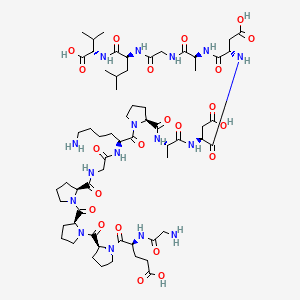
Molecular structure and research visualization
Introduction to Synergistic Peptide Research
The combination of BPC-157 (Body Protection Compound-157) and TB-500 (a synthetic fragment of Thymosin Beta-4) represents one of the most studied peptide combinations in regenerative medicine research. While each peptide demonstrates significant tissue-protective and regenerative properties independently, research suggests their combined application may produce synergistic effects that exceed the sum of their individual contributions. This emerging area of investigation examines how complementary healing mechanisms can be harnessed for enhanced tissue repair.
The scientific rationale for combining these peptides stems from their distinct yet complementary mechanisms of action. BPC-157 primarily influences growth factor expression and the nitric oxide system, while TB-500 acts through actin sequestration and cellular migration pathways. Together, these peptides may address multiple phases of the healing process simultaneously, potentially accelerating recovery timelines and improving tissue regeneration outcomes.
Molecular Mechanisms: A Complementary Approach
BPC-157, a 15-amino acid peptide fragment derived from human gastric juice proteins, has been extensively studied for its remarkable stability and cytoprotective effects. Research published in the Journal of Physiology-Paris demonstrated that BPC-157 modulates the expression of growth factors including vascular endothelial growth factor (VEGF), fibroblast growth factor (FGF), and epidermal growth factor (EGF). These growth factors are essential for angiogenesis, cell proliferation, and extracellular matrix deposition—all critical components of tissue repair.
TB-500, containing the active region of thymosin beta-4 (amino acids 17-23), exerts its effects primarily through interactions with actin, a cytoskeletal protein essential for cell structure and motility. Research in the FASEB Journal demonstrated that TB-500 promotes cell migration by sequestering G-actin, allowing cells to move more efficiently to sites of injury. This cellular migration is fundamental to wound healing, enabling fibroblasts, endothelial cells, and immune cells to reach damaged tissues and initiate repair processes.
The combination of these mechanisms creates a multi-pronged approach to tissue regeneration. While BPC-157 enhances the signaling environment and promotes blood vessel formation, TB-500 facilitates the physical movement of repair cells to injury sites. This complementary activity may explain the enhanced efficacy observed in preclinical combination studies.
Angiogenesis: Dual Pathway Activation
Both BPC-157 and TB-500 independently promote angiogenesis, but through distinct molecular pathways. BPC-157's angiogenic effects are mediated primarily through VEGF upregulation and nitric oxide (NO) system modulation. Studies published in Life Sciences showed that BPC-157 increases the expression of VEGF receptors and enhances NO-mediated vasodilation, improving blood flow to damaged tissues.
TB-500's angiogenic properties work through different mechanisms, including promotion of endothelial cell migration and tube formation. Research in Circulation Research demonstrated that thymosin beta-4 activates integrin-linked kinase (ILK) and Akt signaling pathways, promoting endothelial cell survival and vessel formation. The peptide also upregulates matrix metalloproteinases (MMPs) necessary for endothelial cells to migrate through surrounding tissue.
When combined, these dual angiogenic mechanisms may produce enhanced vascularization compared to either peptide alone. Adequate blood supply is perhaps the most critical factor in tissue healing—delivering oxygen, nutrients, and growth factors while removing metabolic waste products. The synergistic enhancement of angiogenesis could significantly accelerate the healing process in poorly vascularized injuries such as tendon and ligament damage.
Musculoskeletal Repair: Convergent Effects
Musculoskeletal injuries represent a primary focus of BPC-157 and TB-500 combination research. Studies in the Journal of Orthopaedic Research demonstrated that BPC-157 accelerates tendon-to-bone healing by enhancing collagen synthesis and improving tissue organization at the healing interface. The peptide increases the expression of tenascin-C and fibronectin, extracellular matrix proteins essential for tendon architecture.
TB-500 contributes complementary effects in musculoskeletal healing. Research published in the American Journal of Physiology showed that thymosin beta-4 promotes skeletal muscle regeneration by enhancing satellite cell activation and migration. Satellite cells are muscle stem cells that become activated following injury, proliferating and differentiating to repair damaged muscle fibers. TB-500's ability to enhance satellite cell function may accelerate muscle healing when combined with BPC-157's growth factor modulation.
In experimental models of muscle injury, the combination approach has shown promising results. Research indicates that dual peptide administration may reduce inflammation more effectively than either peptide alone, while simultaneously enhancing the regenerative phase of healing. This balanced modulation of inflammatory and regenerative processes is crucial for optimal musculoskeletal repair.
Inflammation Modulation: Coordinated Response
Optimal tissue healing requires careful modulation of inflammatory responses—sufficient inflammation to clear debris and initiate repair, but controlled to prevent tissue damage from excessive inflammatory activity. Both BPC-157 and TB-500 demonstrate anti-inflammatory properties that may work synergistically in combination.
BPC-157 modulates inflammation through multiple mechanisms, including reduction of pro-inflammatory cytokines (TNF-α, IL-6, IL-1β) and promotion of anti-inflammatory mediators. Research in Peptides showed that BPC-157 inhibits the formation of inflammatory exudates and reduces leukocyte infiltration in acute inflammation models. Importantly, these effects occur without suppressing the beneficial aspects of acute inflammatory responses necessary for debris clearance.
TB-500 contributes anti-inflammatory effects through macrophage polarization. Research in the Journal of Immunology demonstrated that thymosin beta-4 promotes the transition of macrophages from the pro-inflammatory M1 phenotype to the anti-inflammatory, tissue-remodeling M2 phenotype. This polarization shift is associated with enhanced tissue repair and reduced fibrosis. The combined effects of both peptides may optimize the inflammatory environment for healing while minimizing excessive tissue damage.
Wound Healing Research: Accelerated Closure
Wound healing represents perhaps the most well-studied application of both BPC-157 and TB-500, making it a logical focus for combination research. Studies published in the Journal of Investigative Dermatology demonstrated that thymosin beta-4 significantly accelerates wound closure through enhanced keratinocyte migration and re-epithelialization. The peptide promotes the formation of lamellopodia—cellular projections that enable keratinocytes to migrate across wound surfaces.
BPC-157 contributes to wound healing through complementary mechanisms including enhanced granulation tissue formation and improved wound contraction. Research in Wound Repair and Regeneration showed that BPC-157 promotes fibroblast activity and collagen deposition, essential for rebuilding the dermal matrix beneath newly formed epithelium.
The combination of accelerated re-epithelialization from TB-500 and enhanced dermal repair from BPC-157 may produce more complete and rapid wound healing than either peptide alone. This dual approach addresses both superficial (epithelial) and deep (dermal) components of wound repair, potentially improving both healing speed and tissue quality in the healed wound.
Gastrointestinal Protection: Synergistic Cytoprotection
BPC-157 was originally identified for its gastroprotective properties, and this remains one of its most thoroughly studied applications. Research in the Journal of Physiology-Paris demonstrated that BPC-157 accelerates healing of various gastrointestinal lesions including gastric ulcers, inflammatory bowel disease models, and esophageal damage. The peptide's unique stability in gastric acid makes it particularly suitable for oral administration in gastrointestinal applications.
While TB-500 is less commonly associated with gastrointestinal research, studies have demonstrated intestinal protective effects. Research in Gastroenterology showed that thymosin beta-4 promotes intestinal epithelial restitution—the rapid migration of epithelial cells to cover superficial injuries. This restitution process is the first line of defense against mucosal damage.
The combination of BPC-157's growth factor modulation and TB-500's cellular migration enhancement may provide comprehensive gastrointestinal protection. This synergistic approach could address both the signaling environment and the physical repair mechanisms necessary for rapid mucosal healing.
Neuroprotective Potential: Emerging Research
Emerging research has explored the neuroprotective properties of both BPC-157 and TB-500, opening potential applications in neurological injury recovery. Studies in Regulatory Peptides demonstrated that BPC-157 promotes nerve regeneration following crush injuries, potentially through enhancement of neurotrophic factor expression. The peptide has also shown protective effects in models of traumatic brain injury and peripheral neuropathy.
TB-500 has demonstrated neuroprotective effects through distinct mechanisms. Research in the Journal of Neuroscience Research showed that thymosin beta-4 protects neurons from oxidative stress and promotes neural progenitor cell migration. In models of stroke and traumatic brain injury, TB-500 administration has been associated with reduced infarct size and improved functional outcomes.
The combination of BPC-157 and TB-500 for neuroprotection research represents an intriguing frontier. Their complementary mechanisms—BPC-157's neurotrophic factor enhancement and TB-500's cellular migration promotion—could theoretically produce enhanced neural repair. However, this remains an early area of investigation requiring substantial additional research.
Cardiovascular Research Applications
Both peptides have demonstrated cardiovascular protective effects in preclinical research. BPC-157 has shown cardioprotective effects in models of ischemia-reperfusion injury, reducing infarct size and improving cardiac function following experimental myocardial infarction. Research in Life Sciences demonstrated that BPC-157 modulates the nitric oxide system in cardiac tissue, promoting vasodilation and improving coronary blood flow.
TB-500 has been extensively studied for cardiovascular applications. Landmark research published in Nature demonstrated that thymosin beta-4 activates cardiac progenitor cells and promotes cardiac repair following myocardial injury. The peptide enhances neovascularization in ischemic tissue and reduces cardiac fibrosis, potentially improving long-term cardiac function.
The combination of these cardiovascular effects could produce synergistic cardioprotection. BPC-157's immediate vasodilatory and anti-ischemic effects combined with TB-500's regenerative and anti-fibrotic properties may address both acute and chronic aspects of cardiac injury and repair.
Research Design Considerations
Investigating the BPC-157 and TB-500 combination requires careful experimental design to distinguish synergistic effects from simple additive effects. Research protocols typically include control groups receiving each peptide individually, allowing comparison of combination effects against single-peptide administration. Dose-response studies help identify optimal ratios for synergistic activity.
The timing of administration is another critical consideration. Some research suggests that staggered administration—initiating one peptide before the other—may produce different effects than simultaneous administration. The distinct kinetics of each peptide's activity may influence optimal dosing schedules. BPC-157's rapid effects on the signaling environment might benefit from early administration, while TB-500's cellular migration effects might be most beneficial during active repair phases.
Safety Profile in Combination
Both BPC-157 and TB-500 have demonstrated favorable safety profiles in extensive preclinical research. Toxicology studies have not revealed significant adverse effects for either peptide individually, even at doses substantially higher than those used in standard research protocols. The combination has not been associated with increased toxicity compared to individual peptide administration in available research.
However, comprehensive long-term safety studies specifically examining the BPC-157/TB-500 combination remain limited. As with any combination approach, potential interactions between the peptides must be considered. The enhancement of angiogenic and regenerative processes, while beneficial for healing, raises theoretical questions about effects in contexts where cell proliferation might be undesirable. These considerations underscore the importance of continued rigorous safety research.
Future Research Directions
The BPC-157 and TB-500 combination represents a promising area for continued investigation. Future research directions include detailed mechanistic studies examining molecular interactions between the peptides, optimization studies identifying ideal doses and ratios, tissue-specific investigations determining which injury types benefit most, long-term safety studies in combination protocols, and potential clinical translation pathways.
Understanding the precise molecular interactions between these peptides could enable optimization of combination protocols and potentially inform the development of novel therapeutic approaches. The complementary mechanisms of BPC-157 and TB-500 suggest that strategic combination of regenerative peptides may represent a powerful approach to enhancing tissue repair.
Conclusion
The combination of BPC-157 and TB-500 represents a scientifically rational approach to enhanced tissue regeneration research. Their complementary mechanisms—BPC-157's growth factor modulation, nitric oxide system interactions, and cytoprotective effects combined with TB-500's actin-mediated cellular migration, angiogenic promotion, and anti-inflammatory macrophage polarization—create potential for synergistic tissue repair effects. From musculoskeletal injuries to wound healing, gastrointestinal protection to cardiovascular repair, the combination approach addresses multiple healing pathways simultaneously. While continued research is necessary to fully characterize the synergistic interactions and optimize combination protocols, the scientific foundation supports the BPC-157/TB-500 blend as a compelling subject for regenerative medicine research.
References
- 1. Sikiric, P., et al. (2018). Brain-gut axis and pentadecapeptide BPC 157: Theoretical and practical implications. Current Neuropharmacology, 16(5), 505-516.
- 2. Smart, N., et al. (2007). Thymosin beta-4 induces adult epicardial progenitor mobilization and neovascularization. Nature, 445(7124), 177-182.
- 3. Malinda, K.M., et al. (1999). Thymosin beta4 accelerates wound healing. Journal of Investigative Dermatology, 113(3), 364-368.
- 4. Chang, C.H., et al. (2014). The promoting effect of pentadecapeptide BPC 157 on tendon healing involves tendon outgrowth, cell survival, and cell migration. Journal of Applied Physiology, 110(3), 774-780.
- 5. Bock-Marquette, I., et al. (2004). Thymosin β4 activates integrin-linked kinase and promotes cardiac cell migration, survival and cardiac repair. Nature, 432(7016), 466-472.
- 6. Gwyer, D., et al. (2019). Gastric pentadecapeptide body protection compound BPC 157 and its role in accelerating musculoskeletal soft tissue healing. Cell and Tissue Research, 377(2), 153-159.
All research information is for educational purposes only. The statements made within this website have not been evaluated by the US Food and Drug Administration. The statements and the products of this company are not intended to diagnose, treat, cure or prevent any disease.