NAD+ and Cellular Energy: Research Insights
Exploring NAD+'s critical role in cellular metabolism and aging research.
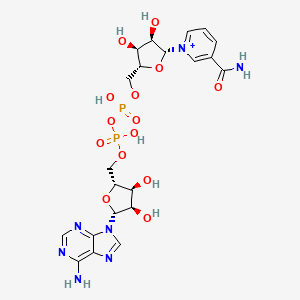
Molecular structure and research visualization
Understanding NAD+ and Cellular Function
NAD+ (nicotinamide adenine dinucleotide) is a critical coenzyme found in all living cells that plays fundamental roles in cellular metabolism, energy production, DNA repair, and gene expression regulation. As research into aging and cellular health has advanced, NAD+ has emerged as a central molecule of interest, with declining NAD+ levels associated with aging and various age-related pathologies.
NAD+ in Energy Metabolism
NAD+ serves as an essential electron carrier in cellular respiration, facilitating the conversion of nutrients into cellular energy (ATP). The molecule cycles between oxidized (NAD+) and reduced (NADH) forms, enabling fundamental metabolic reactions including glycolysis, the citric acid cycle, and oxidative phosphorylation.
Research has shown that optimal NAD+ levels are crucial for efficient mitochondrial function. Studies demonstrate that declining NAD+ with age correlates with reduced mitochondrial function and decreased cellular energy production, potentially contributing to various age-associated declines in organ function and physical performance.
Sirtuins and Gene Expression
One of the most extensively studied roles of NAD+ involves its function as a substrate for sirtuins, a family of NAD+-dependent enzymes that regulate numerous cellular processes. Sirtuins influence gene expression, DNA repair, metabolic homeostasis, and stress resistance through their deacetylase activity.
Research has demonstrated that NAD+ availability directly affects sirtuin activity, with implications for longevity pathways. Studies in various model organisms have shown that enhancing NAD+ levels can activate sirtuins and potentially promote healthy aging, though translation to human longevity remains an active area of investigation.
DNA Repair and Genomic Stability
NAD+ serves as a substrate for poly(ADP-ribose) polymerases (PARPs), enzymes crucial for DNA repair. PARPs consume substantial amounts of NAD+ during the repair of DNA damage, which occurs constantly due to normal metabolism, environmental stressors, and aging.
Research indicates that the competition for NAD+ between PARPs and sirtuins may represent an important mechanism in aging. Excessive PARP activation depletes cellular NAD+, potentially compromising sirtuin activity and other NAD+-dependent processes essential for cellular health.
Age-Related NAD+ Decline
Multiple studies have documented that NAD+ levels decline with age across various tissues and organisms. Research published in Cell Metabolism showed tissue-specific NAD+ declines of 20-50% between young and old age in rodent models, with similar findings emerging from human studies.
The mechanisms underlying age-related NAD+ decline appear multifactorial, including: reduced synthesis from precursors, increased consumption by NAD+-dependent enzymes (particularly PARPs in response to accumulated DNA damage), and potentially decreased expression of biosynthetic enzymes.
NAD+ Precursors and Supplementation Research
Given the age-related decline in NAD+ and its central importance to cellular function, substantial research has focused on strategies to boost NAD+ levels. Several NAD+ precursors have been investigated, including nicotinamide riboside (NR), nicotinamide mononucleotide (NMN), and nicotinamide.
Studies have shown that supplementation with these precursors can effectively raise NAD+ levels in various tissues. Research comparing different precursors suggests that NMN and NR may be particularly effective, with each having distinct pharmacokinetic properties and tissue distribution patterns.
Metabolic and Mitochondrial Benefits
Research has examined whether boosting NAD+ levels through precursor supplementation might improve metabolic health and mitochondrial function. Animal studies have demonstrated improvements in insulin sensitivity, glucose tolerance, lipid metabolism, and exercise endurance with NAD+ augmentation.
Human studies, while more limited, have shown promising results. Research in older adults demonstrated that NAD+ precursor supplementation improved some markers of mitochondrial function and muscle metabolic health, though effects varied across studies and outcome measures.
Cardiovascular Research
The cardiovascular system appears particularly sensitive to NAD+ availability. Research has shown that declining NAD+ with age may contribute to vascular dysfunction, arterial stiffening, and reduced cardiac function. Animal studies have demonstrated that NAD+ augmentation can improve vascular function and reduce arterial stiffness.
Studies have also explored NAD+'s role in cardiac health, with research suggesting that maintaining adequate NAD+ levels may help preserve cardiac function during aging and protect against various cardiac stressors.
Neurological and Cognitive Research
NAD+ plays crucial roles in neuronal function, and research has investigated its potential relevance to cognitive aging and neurodegenerative diseases. Studies have shown that NAD+ levels decline in the aging brain, potentially contributing to neuronal dysfunction and cognitive decline.
Animal research has demonstrated that NAD+ augmentation can improve various aspects of neurological function, including cognitive performance, neuronal survival, and resilience to neurodegenerative processes. While human cognitive studies with NAD+ precursors remain limited, preliminary research shows promise.
Combination with Other Longevity Interventions
Research has explored combining NAD+ optimization with other longevity-focused interventions. Studies have examined synergies with compounds like resveratrol (which activates sirtuins), exercise interventions, caloric restriction mimetics, and various peptides including Thymosin Alpha-1 and SS-31.
The rationale for such combinations stems from the interconnected nature of aging pathways. NAD+ enhancement may synergize with interventions targeting complementary mechanisms, potentially producing greater benefits than single interventions alone.
Safety and Tolerability
Research on NAD+ precursor supplementation has generally shown good safety and tolerability profiles. Studies using various NAD+ precursors at doses up to 1-2 grams daily have reported minimal adverse effects, with most being mild and transient.
Long-term safety data remains more limited, though animal studies extending months to years have not revealed concerning toxicities. Ongoing research continues to characterize the safety profile of chronic NAD+ augmentation across diverse populations.
All research information is for educational purposes only. The statements made within this website have not been evaluated by the US Food and Drug Administration. The statements and the products of this company are not intended to diagnose, treat, cure or prevent any disease.