BPC-157 + TB-500 + GHK-Cu Blend: Triple Peptide Combination for Comprehensive Tissue Regeneration Research
An in-depth analysis of the scientific basis for combining BPC-157, TB-500, and GHK-Cu peptides, examining their synergistic mechanisms across growth factor signaling, cellular migration, extracellular matrix remodeling, and gene expression modulation for enhanced regenerative outcomes.
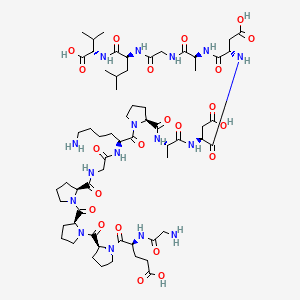
Molecular structure and research visualization
Introduction: The Rationale for Triple Peptide Combinations
The combination of BPC-157, TB-500, and GHK-Cu represents an advanced approach to peptide-based regenerative research, integrating three distinct yet complementary mechanisms of tissue repair. While dual peptide combinations have shown promising synergistic effects, the addition of GHK-Cu (copper peptide) introduces a third dimension of regenerative activity—gene expression modulation and extracellular matrix remodeling—that may further enhance the healing capabilities of the BPC-157/TB-500 combination.
This triple combination targets healing at multiple biological levels: BPC-157 primarily influences growth factor signaling and the nitric oxide system; TB-500 promotes cellular migration through actin modulation; and GHK-Cu drives extracellular matrix synthesis and modulates the expression of thousands of genes toward more regenerative patterns. Together, these peptides address the signaling environment, cellular machinery, and structural foundations necessary for comprehensive tissue regeneration.
Molecular Mechanisms: A Three-Pronged Approach
BPC-157 (Body Protection Compound-157) is a synthetic 15-amino acid peptide derived from human gastric juice proteins. Its remarkable stability in acidic environments and diverse cytoprotective effects have been documented in over 100 preclinical studies. Research published in Current Pharmaceutical Design demonstrated that BPC-157 modulates multiple growth factor pathways including VEGF (vascular endothelial growth factor), EGF (epidermal growth factor), and FGF (fibroblast growth factor), creating an optimal signaling environment for tissue repair.
TB-500, the synthetic version of the active region of Thymosin Beta-4, exerts its primary effects through interactions with G-actin monomers. By sequestering G-actin, TB-500 lowers the threshold for actin polymerization and enhances cell motility. Research in the Journal of Biological Chemistry demonstrated that this mechanism promotes the migration of endothelial cells, fibroblasts, and keratinocytes to sites of injury—a fundamental requirement for tissue repair.
GHK-Cu (glycyl-L-histidyl-L-lysine copper complex) is a naturally occurring tripeptide that declines with age. Research by Dr. Loren Pickart using gene array technology revealed that GHK-Cu influences the expression of approximately 4,000 human genes, resetting gene expression patterns toward more youthful, regenerative states. The peptide is particularly notable for its effects on extracellular matrix proteins, antioxidant systems, and tissue remodeling enzymes.
Synergistic Angiogenesis Enhancement
All three peptides independently promote angiogenesis—the formation of new blood vessels—through distinct mechanisms, creating potential for multiplicative effects when combined. BPC-157 enhances angiogenesis primarily through VEGF upregulation and nitric oxide system modulation. Studies in Life Sciences demonstrated that BPC-157 increases VEGF receptor expression and promotes NO-mediated vasodilation in injured tissues.
TB-500 promotes angiogenesis through endothelial cell migration and tube formation. Research published in Circulation Research showed that thymosin beta-4 activates the Akt signaling pathway in endothelial cells, promoting cell survival and migration essential for new vessel formation. The peptide also upregulates matrix metalloproteinases that allow endothelial cells to migrate through surrounding tissue.
GHK-Cu contributes to angiogenesis through its effects on VEGF expression and endothelial progenitor cell function. Research in the Journal of Vascular Research demonstrated that copper peptides stimulate angiogenesis in wound healing models, with the copper ion itself playing essential roles in enzymes required for vessel formation. The combination of all three angiogenic mechanisms may produce substantially enhanced vascularization compared to any single or dual peptide approach.
Extracellular Matrix Remodeling: GHK-Cu's Unique Contribution
While BPC-157 and TB-500 influence cellular activity and signaling, GHK-Cu adds a distinct focus on extracellular matrix (ECM) synthesis and organization—the structural scaffolding that supports tissue architecture. Research in BioMed Research International demonstrated that GHK-Cu significantly increases synthesis of collagen types I and III, the primary structural collagens in skin, tendon, and other connective tissues.
GHK-Cu also promotes synthesis of decorin and other proteoglycans that organize collagen fibrils into functional bundles. This organizational effect is critical for tissue strength and function—disorganized collagen deposition leads to scarring and reduced tissue functionality. Additionally, GHK-Cu modulates the balance between matrix metalloproteinases (MMPs) and their inhibitors (TIMPs), enabling controlled matrix turnover necessary for tissue remodeling.
When combined with BPC-157's growth factor signaling and TB-500's cellular migration, GHK-Cu's ECM-focused effects create a comprehensive approach to tissue regeneration. The cells recruited to injury sites by TB-500 receive proliferative signals from BPC-157 and have an optimal structural environment created by GHK-Cu in which to rebuild damaged tissue.
Gene Expression Modulation: Resetting Regenerative Programs
GHK-Cu's ability to influence approximately 4,000 genes represents a unique contribution to the triple combination. Genome-wide expression studies published in the International Journal of Molecular Sciences revealed that GHK-Cu resets gene expression toward patterns associated with tissue regeneration and youthful function. The affected genes include those involved in antioxidant defense and DNA repair, extracellular matrix proteins and remodeling enzymes, growth factors and their receptors, anti-inflammatory mediators, and cell cycle regulation and apoptosis.
This broad gene expression modulation complements the more targeted effects of BPC-157 and TB-500. While BPC-157 specifically modulates VEGF, FGF, and related growth factors, and TB-500 influences actin-related genes, GHK-Cu's genome-wide effects may enhance overall regenerative capacity and cellular function. The combination creates a layered approach—specific growth factor and migration signals riding on a foundation of broadly enhanced regenerative gene expression.
Wound Healing: Comprehensive Multi-Phase Support
Wound healing proceeds through overlapping phases—hemostasis, inflammation, proliferation, and remodeling—each requiring different cellular activities and molecular mediators. The triple peptide combination may support all phases more comprehensively than individual peptides or dual combinations.
During the inflammatory phase, BPC-157's anti-inflammatory effects reduce excessive inflammation while preserving beneficial inflammatory signaling necessary for debris clearance. TB-500 promotes macrophage polarization toward the tissue-remodeling M2 phenotype, accelerating the transition from inflammation to proliferation. GHK-Cu contributes additional anti-inflammatory effects through modulation of pro-inflammatory cytokines.
During proliferation, TB-500 enhances keratinocyte migration for re-epithelialization and fibroblast migration for granulation tissue formation. BPC-157 provides growth factor signals stimulating cell proliferation. GHK-Cu promotes synthesis of the collagen and proteoglycan matrix that forms the structural foundation of healing tissue.
During remodeling, GHK-Cu's effects on MMP/TIMP balance enable controlled matrix turnover, gradually replacing granulation tissue with mature, organized tissue. The peptide's collagen-organizing effects promote functional scar tissue rather than disorganized fibrosis. The comprehensive coverage of all healing phases distinguishes the triple combination approach.
Musculoskeletal Applications: Enhanced Tendon and Muscle Repair
Musculoskeletal injuries—particularly tendon and ligament damage—represent challenging healing environments due to poor vascularization and the specific structural requirements of these tissues. The triple peptide combination addresses multiple aspects of musculoskeletal repair.
BPC-157 has demonstrated significant effects on tendon healing in multiple preclinical studies. Research in the Journal of Orthopaedic Research showed that BPC-157 accelerates tendon-to-bone healing and improves the mechanical properties of healed tendons. The peptide promotes expression of tendon-specific proteins including tenascin-C and fibronectin.
TB-500's effects on muscle regeneration complement BPC-157's tendon-focused activity. Research in the American Journal of Physiology demonstrated that thymosin beta-4 enhances satellite cell activation and migration, accelerating muscle fiber repair following injury. The peptide's anti-fibrotic effects may also reduce scar tissue formation in healing muscle.
GHK-Cu adds ECM-focused effects particularly relevant to tendon and ligament structure. The peptide's ability to promote organized collagen synthesis may improve the structural integrity of healed connective tissues. Research has also demonstrated GHK-Cu's effects on cartilage matrix components, suggesting potential applications in joint-related musculoskeletal conditions.
Skin Rejuvenation and Anti-Aging Research
The triple combination has particular relevance to skin research, where all three peptides have established effects. GHK-Cu has been commercially developed for dermatological applications, with clinical studies demonstrating improvements in skin thickness, firmness, and wrinkle reduction. Research in the Journal of Cosmetic Dermatology showed that topical GHK-Cu increases collagen synthesis and elastin production in aging skin.
BPC-157's wound healing effects extend to cosmetic applications, with research demonstrating accelerated healing of superficial skin injuries and improved scar quality. TB-500's promotion of keratinocyte migration and re-epithelialization complements these effects, potentially accelerating skin renewal processes.
The combination's multi-layered approach to skin health—GHK-Cu's matrix remodeling, BPC-157's growth factor modulation, and TB-500's cellular migration—may produce enhanced anti-aging effects compared to single-agent approaches. The broad gene expression modulation by GHK-Cu toward youthful patterns particularly distinguishes this combination for aging-related research.
Antioxidant and Cytoprotective Synergy
Oxidative stress contributes to tissue damage in both acute injury and chronic degenerative conditions. The triple combination offers synergistic antioxidant protection through distinct mechanisms. GHK-Cu demonstrates direct antioxidant activity through free radical scavenging and enhancement of endogenous antioxidant enzyme expression. Research demonstrated that GHK-Cu increases superoxide dismutase and catalase activity, key enzymes in cellular antioxidant defense.
BPC-157 reduces oxidative stress through modulation of the nitric oxide system and reduction of reactive oxygen species generation. Studies have shown decreased lipid peroxidation and protein oxidation markers in BPC-157-treated experimental models. TB-500 contributes antioxidant effects through its anti-inflammatory properties, reducing the oxidative burst associated with inflammatory cell activation.
The combined antioxidant effects may be particularly relevant for protecting tissues during the vulnerable healing period, when oxidative stress can impair regenerative processes and contribute to cell death in marginally viable tissue.
Cardiovascular Research: Multi-Mechanism Cardioprotection
All three peptides have demonstrated cardiovascular protective effects, suggesting potential synergistic cardioprotection in combination. BPC-157 has shown cardioprotective effects in ischemia-reperfusion models through nitric oxide system modulation and reduction of infarct size. TB-500 has been extensively studied for cardiac applications, with landmark research demonstrating activation of cardiac progenitor cells and promotion of cardiac repair following myocardial injury.
GHK-Cu adds vascular protective effects through its antioxidant properties and influence on endothelial function. The copper in GHK-Cu plays essential roles in enzymes required for vascular integrity, and the peptide's ECM effects may support cardiac matrix remodeling following injury.
The combination's multi-mechanism approach—addressing oxidative stress, promoting angiogenesis, activating progenitor cells, and supporting matrix remodeling—may provide more comprehensive cardioprotection than individual peptides.
Neuroprotective Potential
Emerging research has explored neuroprotective applications for all three peptides, suggesting potential for enhanced neural protection in combination. BPC-157 has demonstrated neuroprotective effects in models of traumatic brain injury and nerve damage, potentially through modulation of neurotrophic factors. TB-500 has shown protection against oxidative stress-induced neuronal damage and promotes neural progenitor cell migration.
GHK-Cu's gene expression effects include upregulation of antioxidant genes protective against neurodegeneration. Research has also demonstrated anxiolytic effects in animal models, suggesting effects on central nervous system function. The combination's comprehensive approach to cellular protection, migration, and gene expression may have relevance to neurological research, though this remains an early area of investigation.
Research Design and Optimization
Investigating triple peptide combinations requires careful experimental design to characterize synergistic interactions and optimize protocols. Research typically includes individual peptide controls, dual combination comparisons, and the triple combination to assess additive versus synergistic effects.
Dose optimization is particularly important in combination research. The optimal dose of each peptide in combination may differ from optimal monotherapy doses due to synergistic interactions. Studies examining dose-response relationships for each peptide in the presence of the other two can identify combinations producing maximum synergy.
The timing and sequencing of peptide administration also warrant investigation. The different kinetics of each peptide's effects—BPC-157's rapid signaling modulation, TB-500's cellular migration effects, and GHK-Cu's gene expression changes—suggest that optimal protocols may involve staggered administration or different dosing schedules for each component.
Safety Considerations in Combination
All three peptides have demonstrated favorable safety profiles in extensive preclinical research. BPC-157 and TB-500 have been administered at doses far exceeding typical research doses without significant toxicity. GHK-Cu has decades of safe use in commercial cosmetic products, with minimal adverse effects reported.
The combination of three peptides with regenerative and proliferative effects raises theoretical considerations about effects in contexts where enhanced cell proliferation might be undesirable. Long-term safety studies specifically examining the triple combination will be important for fully characterizing the safety profile. However, available evidence suggests the combination presents a favorable risk profile for research applications.
Future Research Directions
The BPC-157 + TB-500 + GHK-Cu combination represents a frontier in regenerative peptide research. Priority areas for future investigation include molecular mechanism studies examining interactions between the three peptides, tissue-specific optimization studies determining which injury types benefit most, comparison studies versus dual combinations to quantify the added value of the third peptide, long-term safety and efficacy studies, and potential clinical translation pathways.
Understanding the precise interactions between these three peptides at the molecular level could enable development of optimized protocols and potentially inform next-generation regenerative approaches. The comprehensive coverage of healing mechanisms suggests this triple combination may represent a significant advancement in peptide-based regeneration research.
Conclusion
The combination of BPC-157, TB-500, and GHK-Cu represents a scientifically sophisticated approach to comprehensive tissue regeneration research. By integrating BPC-157's growth factor signaling and cytoprotective effects, TB-500's cellular migration and angiogenic promotion, and GHK-Cu's extensive gene expression modulation and extracellular matrix remodeling, this triple combination addresses healing at multiple biological levels simultaneously. From wound healing and musculoskeletal repair to skin rejuvenation and cardiovascular protection, the combination's multi-mechanism approach may enhance regenerative outcomes beyond what dual peptide combinations can achieve. While continued research is necessary to fully characterize synergistic interactions and optimize protocols, the scientific foundation strongly supports the BPC-157/TB-500/GHK-Cu blend as a compelling subject for advanced regenerative medicine research.
References
- 1. Sikiric, P., et al. (2022). Stable Gastric Pentadecapeptide BPC 157 in Trials for Inflammatory Bowel Disease. Inflammopharmacology, 30(6), 2073-2084.
- 2. Smart, N., et al. (2007). Thymosin beta-4 induces adult epicardial progenitor mobilization and neovascularization. Nature, 445(7124), 177-182.
- 3. Pickart, L., & Margolina, A. (2018). Regenerative and Protective Actions of the GHK-Cu Peptide in the Light of the New Gene Data. International Journal of Molecular Sciences, 19(7), 1987.
- 4. Malinda, K.M., et al. (1999). Thymosin beta4 accelerates wound healing. Journal of Investigative Dermatology, 113(3), 364-368.
- 5. Pickart, L., et al. (2012). GHK peptide as a natural modulator of multiple cellular pathways in skin regeneration. BioMed Research International, 2012, 648108.
- 6. Bock-Marquette, I., et al. (2004). Thymosin β4 activates integrin-linked kinase and promotes cardiac cell migration, survival and cardiac repair. Nature, 432(7016), 466-472.
- 7. Gwyer, D., et al. (2019). Gastric pentadecapeptide body protection compound BPC 157 and its role in accelerating musculoskeletal soft tissue healing. Cell and Tissue Research, 377(2), 153-159.
- 8. Pollard, J.D., et al. (2005). Clinical and in vitro investigation of the wound healing properties of a copper-based biomaterial. Journal of Materials Science: Materials in Medicine, 16(9), 789-797.
All research information is for educational purposes only. The statements made within this website have not been evaluated by the US Food and Drug Administration. The statements and the products of this company are not intended to diagnose, treat, cure or prevent any disease.