Sermorelin: Growth Hormone Optimization
Discover how Sermorelin peptide works to naturally stimulate growth hormone production.
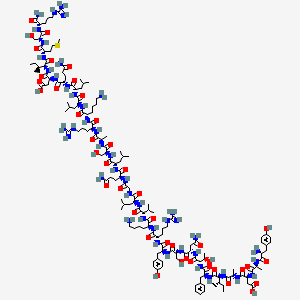
Molecular structure and research visualization
Understanding Sermorelin and Growth Hormone Release
Sermorelin is a synthetic analog of growth hormone-releasing hormone (GHRH) consisting of the first 29 amino acids of the naturally occurring GHRH-44. This peptide has gained significant attention in research for its ability to stimulate the pituitary gland's natural production of growth hormone, offering a physiological approach to GH optimization that differs fundamentally from direct growth hormone administration.
Unlike exogenous growth hormone, which directly replaces or supplements the body's GH levels, Sermorelin works by stimulating the pituitary gland to release growth hormone in a pulsatile manner that more closely mimics the body's natural secretion patterns. This approach preserves the natural regulatory mechanisms of GH secretion, including negative feedback loops, which may offer advantages in terms of physiological balance and reduced risk of certain side effects associated with direct GH administration.
Mechanism of Action and Physiological Effects
Sermorelin exerts its effects by binding to growth hormone-releasing hormone receptors on somatotroph cells in the anterior pituitary gland. This binding triggers a cascade of intracellular signaling events that ultimately result in the synthesis and secretion of growth hormone. The process involves activation of adenylyl cyclase, increased cyclic AMP production, and calcium mobilization, which together stimulate GH gene transcription and peptide release.
Research has demonstrated that Sermorelin administration can increase both the amplitude and frequency of GH pulses, particularly when administered at times that align with natural GH secretion patterns. Studies have shown peak GH responses occurring approximately 15-30 minutes after Sermorelin administration, with effects persisting for several hours. The magnitude of GH release induced by Sermorelin appears to be influenced by factors including age, body composition, metabolic status, and timing of administration relative to sleep cycles.
Growth Hormone's Systemic Effects
The growth hormone released in response to Sermorelin stimulation exerts wide-ranging effects throughout the body through both direct actions and indirect effects mediated by insulin-like growth factor-1 (IGF-1). GH directly influences carbohydrate and lipid metabolism, promoting lipolysis, gluconeogenesis, and protein synthesis. The peptide also stimulates the liver and peripheral tissues to produce IGF-1, which mediates many of GH's growth-promoting and anabolic effects.
Research indicates that the IGF-1 produced in response to GH stimulation plays crucial roles in tissue growth, repair, and regeneration. It promotes protein synthesis in muscle tissue, enhances bone mineral density by stimulating osteoblast activity, and supports connective tissue integrity. IGF-1 also exhibits neuroprotective properties and may influence cognitive function, mood regulation, and overall neurological health.
Body Composition and Metabolic Research
Extensive research has examined Sermorelin's effects on body composition parameters. Studies in GH-deficient adults have demonstrated that Sermorelin therapy can promote increases in lean body mass while simultaneously reducing fat mass, particularly visceral adiposity. These changes appear to result from GH's direct lipolytic effects combined with its anabolic actions on muscle tissue.
A notable study published in the Journal of Clinical Endocrinology & Metabolism examined the effects of Sermorelin administration in healthy older adults over a 16-week period. Researchers observed significant increases in lean body mass (average 1.6 kg) and reductions in body fat percentage (average 1.8%) compared to placebo groups. These compositional changes were accompanied by improvements in various metabolic parameters, including insulin sensitivity and lipid profiles.
Metabolic Enhancement
The metabolic effects of Sermorelin-induced GH secretion extend beyond simple body composition changes. Research has documented improvements in glucose metabolism, with some studies showing enhanced insulin sensitivity despite GH's typically hyperglycemic effects. This apparent paradox may relate to the reduction in visceral fat and improvements in muscle mass that accompany therapy, both of which can positively influence insulin action.
Lipid metabolism also appears responsive to Sermorelin therapy. Studies have reported reductions in total cholesterol, LDL cholesterol, and triglycerides in some populations, along with increases in HDL cholesterol. These changes may reflect both the direct lipolytic effects of GH and the improvements in body composition that occur with treatment. Research comparing Sermorelin with Tesamorelin, another GHRH analog, has shown similar metabolic benefits with both peptides.
Sleep Quality and Recovery
The relationship between growth hormone and sleep is bidirectional and complex. Natural GH secretion exhibits a circadian pattern, with the largest pulse occurring during slow-wave sleep. Research has explored whether Sermorelin administration might enhance sleep quality while simultaneously optimizing GH secretion patterns.
Studies have investigated the effects of Sermorelin administered before bedtime, capitalizing on the natural nocturnal GH surge. Results suggest that properly timed Sermorelin administration may amplify the natural nighttime GH pulse without significantly disrupting sleep architecture. Some research has even indicated potential improvements in sleep quality, possibly related to GH's effects on neurotransmitter systems and metabolic regulation during sleep.
Recovery and Tissue Repair
Growth hormone plays essential roles in tissue repair and recovery processes, making it a focus of research in contexts ranging from injury healing to post-exercise recovery. The anabolic effects of GH and IGF-1 promote protein synthesis, collagen formation, and cellular proliferation, all crucial for tissue regeneration. Research combining Sermorelin with peptides like BPC-157 and TB-500 has explored potential synergistic effects on recovery and healing.
Age-Related Research and Longevity Studies
One of the most extensively studied applications of Sermorelin involves its potential to address age-related declines in GH secretion. Natural GH production decreases substantially with age, a phenomenon termed "somatopause." Research has explored whether stimulating endogenous GH production through GHRH analogs like Sermorelin might help counteract various age-associated changes.
Long-term studies have examined Sermorelin's effects on markers of aging and age-related functional decline. Research in older adults has documented improvements in body composition, bone density, skin thickness, and various quality of life measures with sustained Sermorelin therapy. A landmark study following participants over 18 months showed maintained improvements in lean mass and fat mass throughout the treatment period, with effects persisting for several months after discontinuation.
Cognitive and Neurological Research
Emerging research has explored the potential cognitive and neurological effects of GH optimization through Sermorelin administration. GH receptors are widely distributed throughout the central nervous system, and both GH and IGF-1 exhibit neuroprotective properties. Studies have investigated effects on memory, cognitive processing, mood, and overall neurological function.
While direct evidence specifically examining Sermorelin's cognitive effects remains limited, research on GH replacement has shown improvements in various cognitive domains, particularly in GH-deficient populations. The neurological effects of peptides like Semax have also been compared with the potential cognitive benefits of optimized GH levels. Some research suggests that the metabolic improvements and enhanced sleep quality associated with Sermorelin therapy may indirectly support cognitive function.
Combination Research and Synergistic Effects
Research has extensively explored combining Sermorelin with other peptides to achieve complementary or synergistic effects. One well-studied combination involves Sermorelin with growth hormone-releasing peptides (GHRPs) like Ipamorelin. These peptides work through different mechanisms—Sermorelin through GHRH receptors and GHRPs through ghrelin receptors—and research has shown that their combined use can produce significantly greater GH release than either peptide alone.
Studies comparing the GH-releasing effects of Sermorelin alone, GHRPs alone, and their combination have consistently demonstrated amplification of GH secretion with combined administration. This synergy appears to result from the complementary mechanisms of action, with Sermorelin primarily increasing the amplitude of GH pulses while GHRPs enhance both amplitude and frequency of secretion. Some protocols have also explored combining Sermorelin with MK-677, an oral growth hormone secretagogue.
Multi-Peptide Protocols
More complex research protocols have examined combinations of Sermorelin with peptides targeting different physiological systems. For example, studies have investigated combining Sermorelin with CJC-1295, a longer-acting GHRH analog, to extend the duration of GH stimulation. Other research has explored adding recovery-focused peptides like BPC-157 or metabolic peptides like AOD9604 to comprehensive therapeutic protocols.
Dosing, Administration, and Protocol Optimization
Research on Sermorelin has employed various dosing strategies, with protocols typically ranging from 200-500 mcg per administration. Most studies have utilized subcutaneous injection, though intranasal and oral formulations have also been investigated. The timing of administration appears particularly important, with bedtime dosing most commonly studied due to alignment with natural nocturnal GH secretion patterns.
Studies examining dose-response relationships have generally shown that GH release increases with Sermorelin dose up to a certain threshold, beyond which further increases provide diminishing returns. Research has also explored administration frequency, with protocols ranging from daily to several times per week. Some evidence suggests that allowing recovery days between administrations may help prevent desensitization of the GH response.
Safety Profile and Adverse Events
The safety profile of Sermorelin has been characterized across numerous clinical trials. The most commonly reported side effects include transient injection site reactions, flushing, headache, and dizziness, typically occurring shortly after administration and resolving within minutes to hours. Serious adverse events have been rare in clinical studies, with the overall safety profile comparing favorably to direct GH administration.
One theoretical advantage of Sermorelin over direct GH replacement is the preservation of negative feedback regulation. Because Sermorelin stimulates natural GH production rather than replacing it, the body's regulatory mechanisms remain functional, potentially reducing the risk of supraphysiological GH levels and associated complications. However, as with any GH-elevating intervention, monitoring and medical supervision remain essential.
Comparative Research: Sermorelin vs. Other GH-Enhancing Peptides
Research has compared Sermorelin with other peptides that influence GH secretion, including Tesamorelin, Ipamorelin, and MK-677. Each of these compounds has distinct characteristics, and understanding their relative effects can inform research design and therapeutic decision-making.
Tesamorelin, another GHRH analog, has shown particularly robust effects on visceral adiposity reduction, leading to its approval for treating excess abdominal fat in certain populations. While both Sermorelin and Tesamorelin stimulate GH through GHRH receptors, their pharmacokinetic profiles differ, with Tesamorelin demonstrating a longer duration of action. Comparative studies have shown both peptides to be effective GH secretagogues with similar safety profiles.
Future Research Directions
Current research continues to explore new applications and optimize protocols for Sermorelin therapy. Areas of active investigation include its potential role in metabolic syndrome, sarcopenia, osteoporosis, cardiovascular health, and cognitive aging. Long-term outcome studies examining endpoints beyond body composition and GH levels are needed to fully characterize the clinical implications of Sermorelin therapy.
Emerging research is also exploring novel formulations and delivery methods that might enhance convenience, bioavailability, or therapeutic effects. Additionally, studies are investigating genetic and metabolic factors that might predict individual responses to Sermorelin, potentially enabling more personalized approaches to GH optimization. The relationship between Sermorelin therapy and other longevity-focused interventions, including various peptides like NAD+ and Thymosin Alpha-1, represents another promising research frontier.
References
- 1. Journal of Clinical Endocrinology & Metabolism - Sermorelin effects on body composition in older adults
- 2. Growth Hormone & IGF Research - GHRH analog mechanisms of action
- 3. Endocrine Reviews - Age-related decline in growth hormone secretion
- 4. International Journal of Endocrinology - Sermorelin and metabolic parameters
All research information is for educational purposes only. The statements made within this website have not been evaluated by the US Food and Drug Administration. The statements and the products of this company are not intended to diagnose, treat, cure or prevent any disease.